
Canmore Wildlife Crossing Study

Planning connectivity at the scale wildlife experiences it

Canmore, Alberta, Canada

Work performed by Robert Rock during his tenure at Living Habitats.

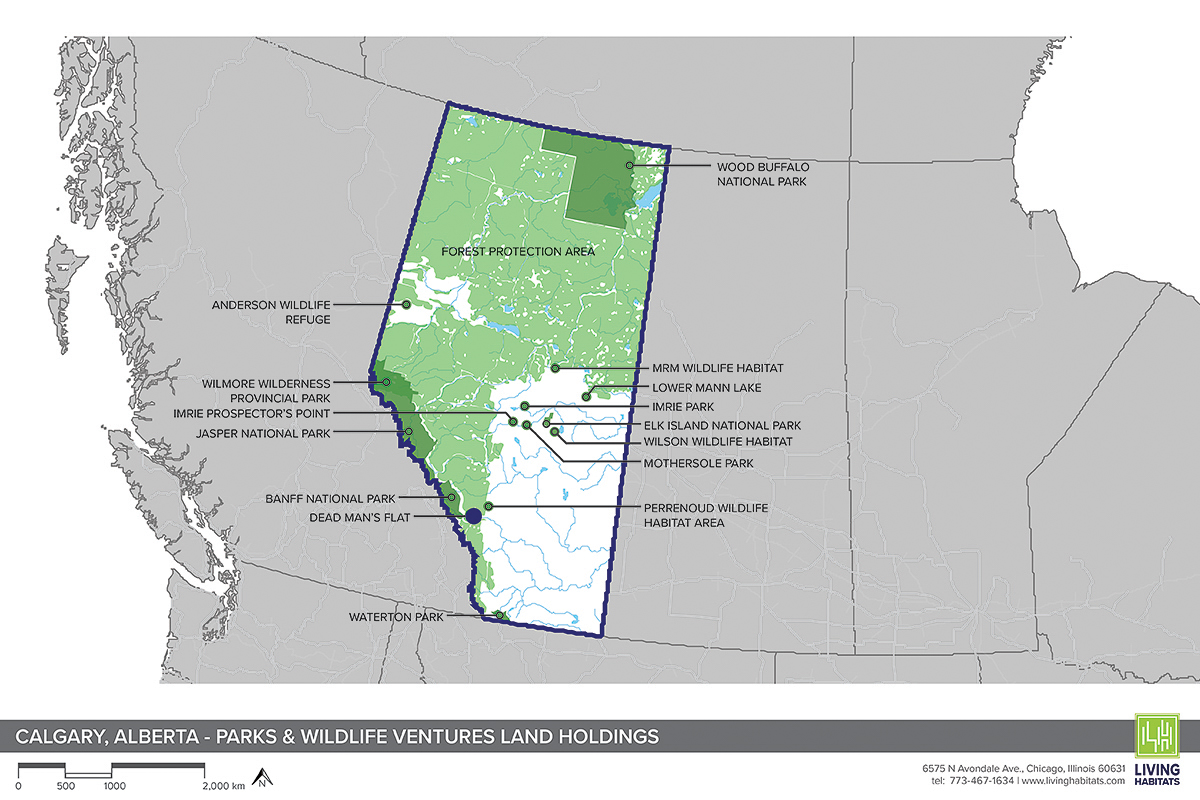
The landscapes surrounding Canmore form part of one of North America’s most significant ecological corridors, linking the Rocky Mountains near Banff National Park with the broader Yellowstone-to-Yukon region.

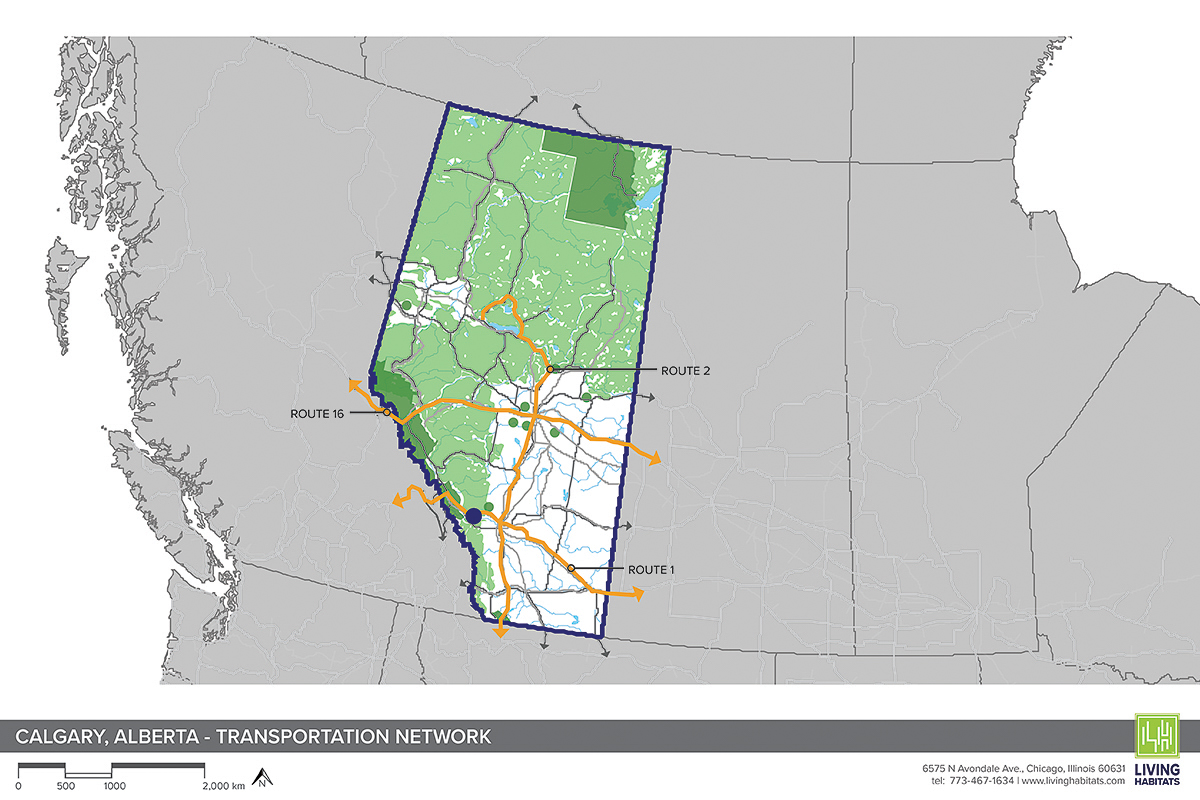
Running through that landscape, the Trans-Canada Highway is both a critical transportation route and a formidable barrier to wildlife movement.

Canmore wildlife crossing project

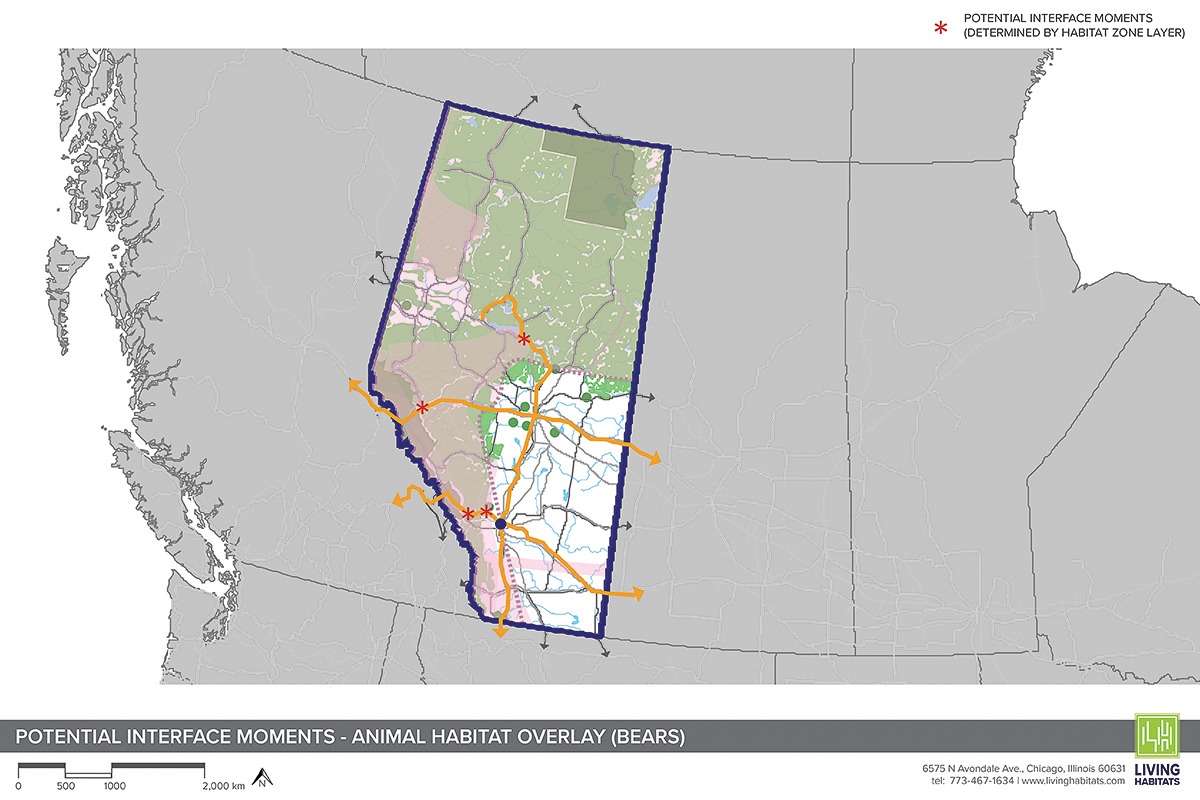
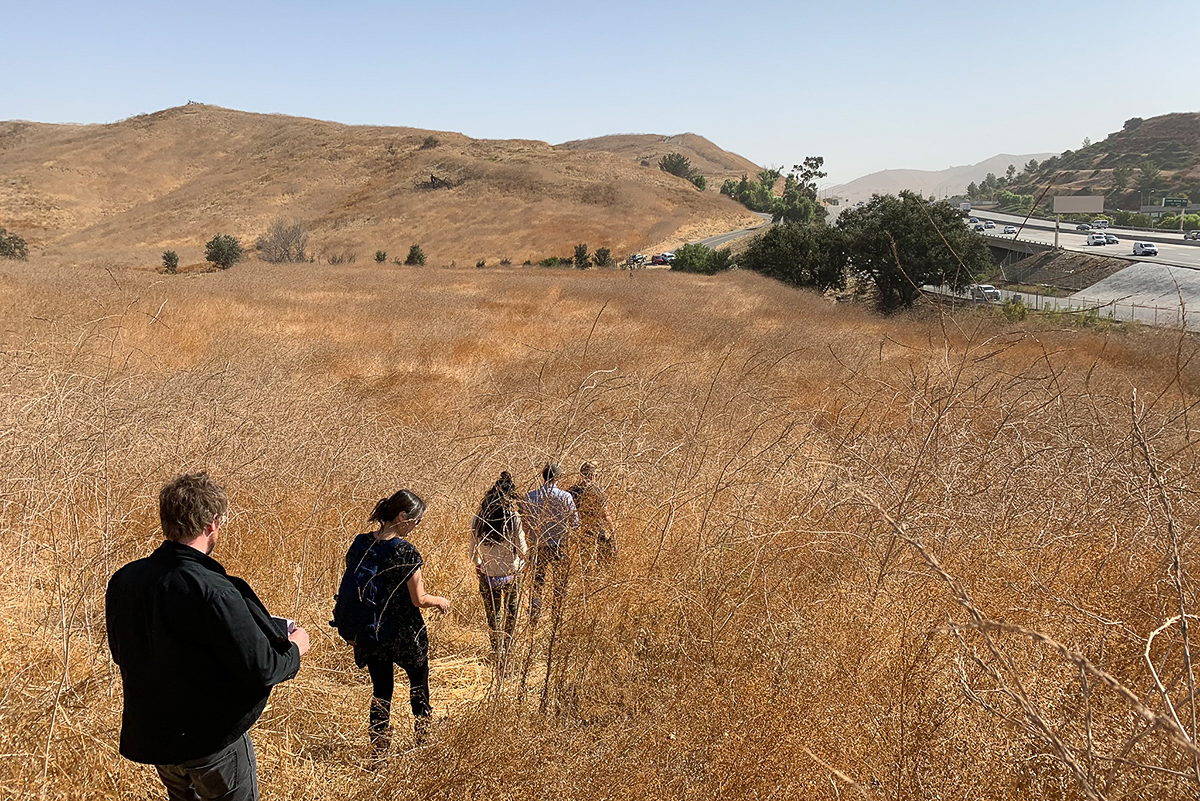
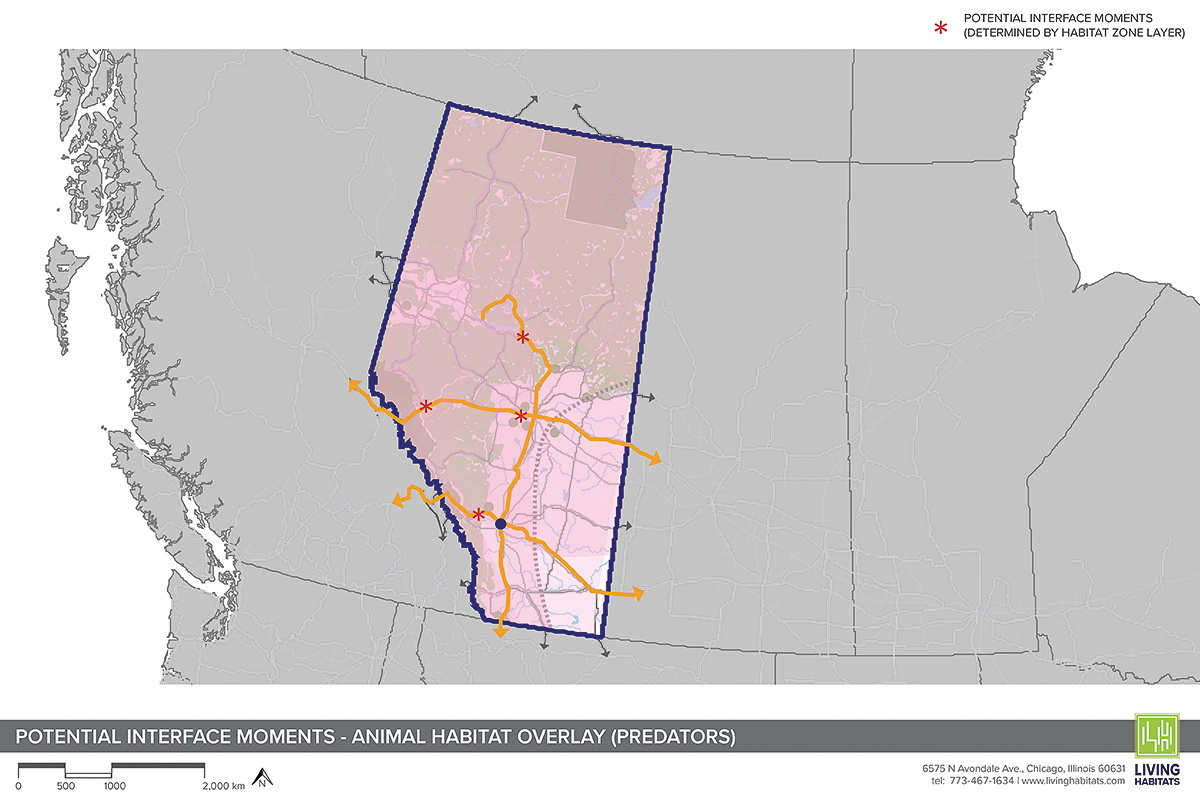
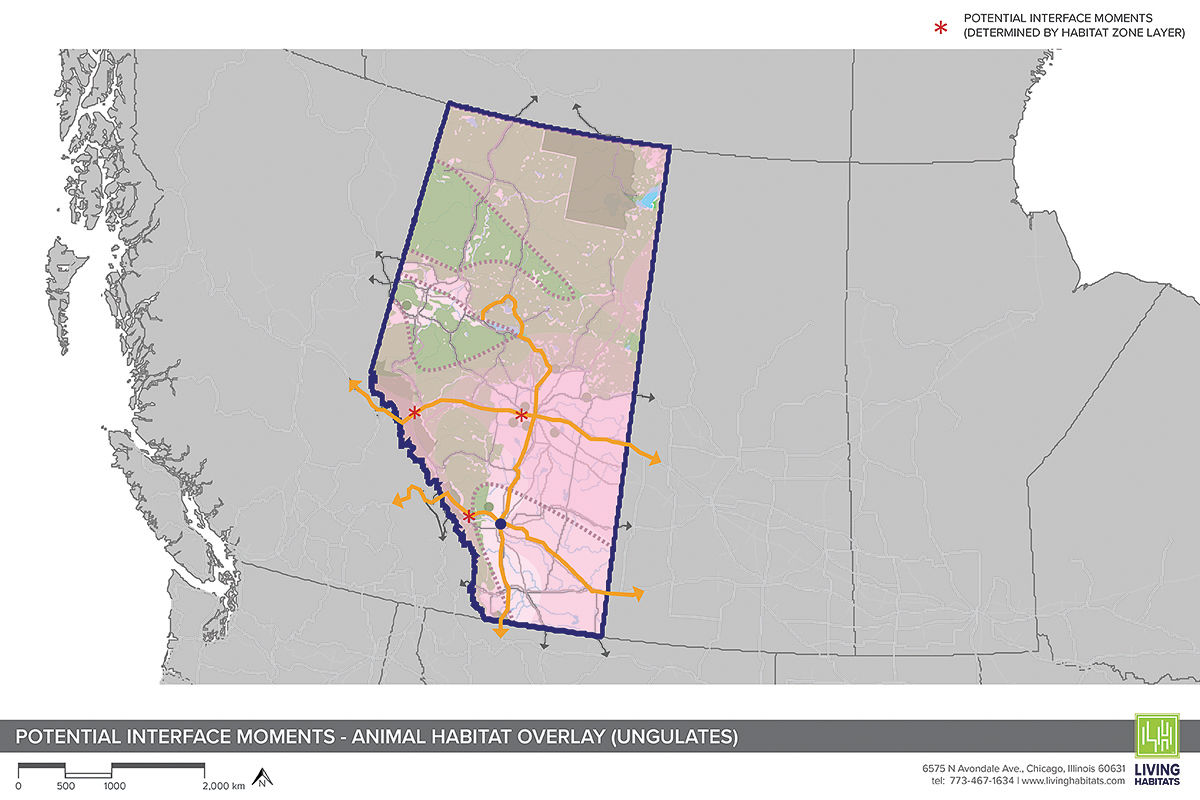
Working with the Yellowstone to Yukon Conservation Initiative, Rock directed a conceptual study focused on wildlife connectivity in the Bow Valley east of Banff National Park.

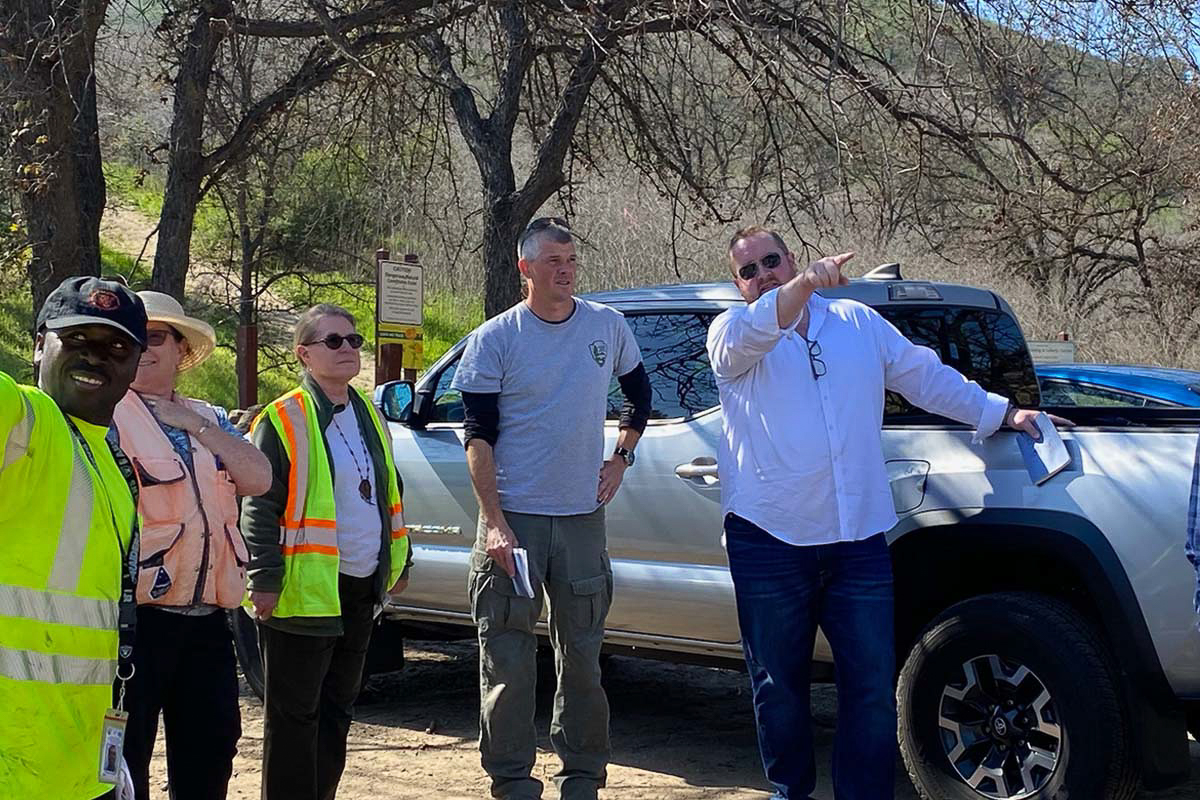
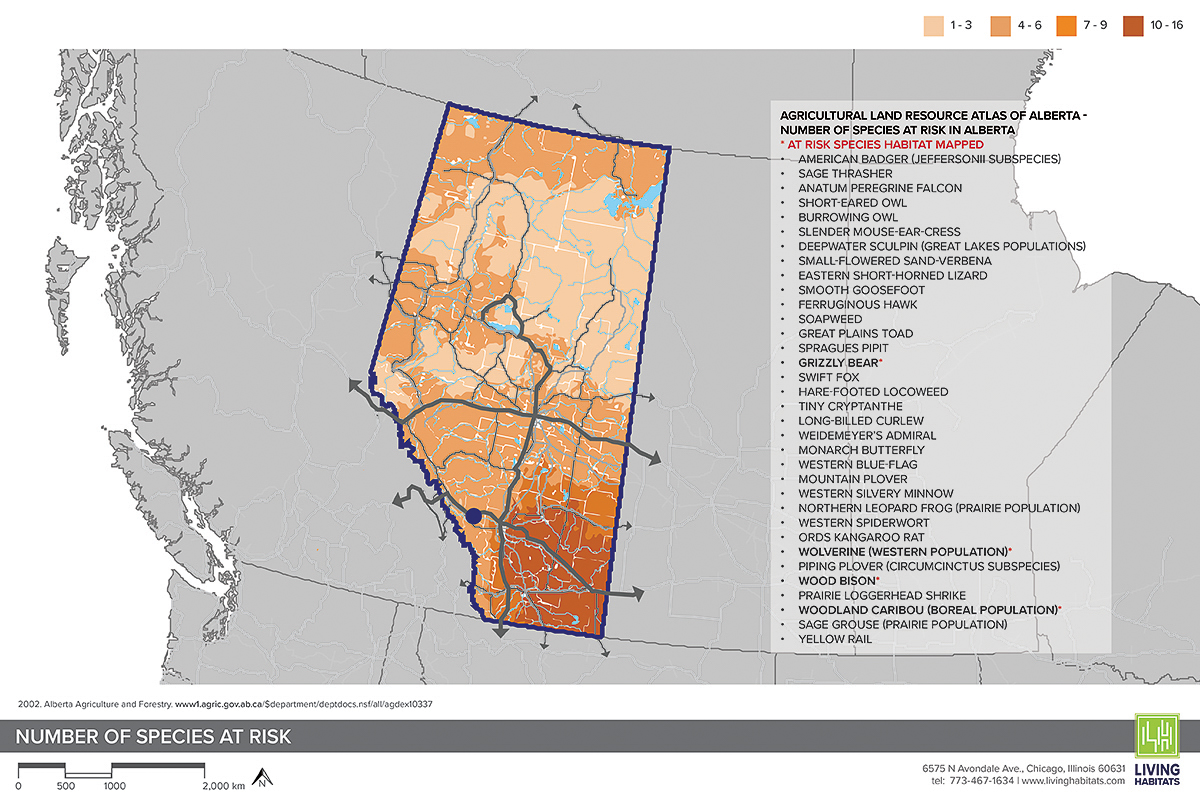
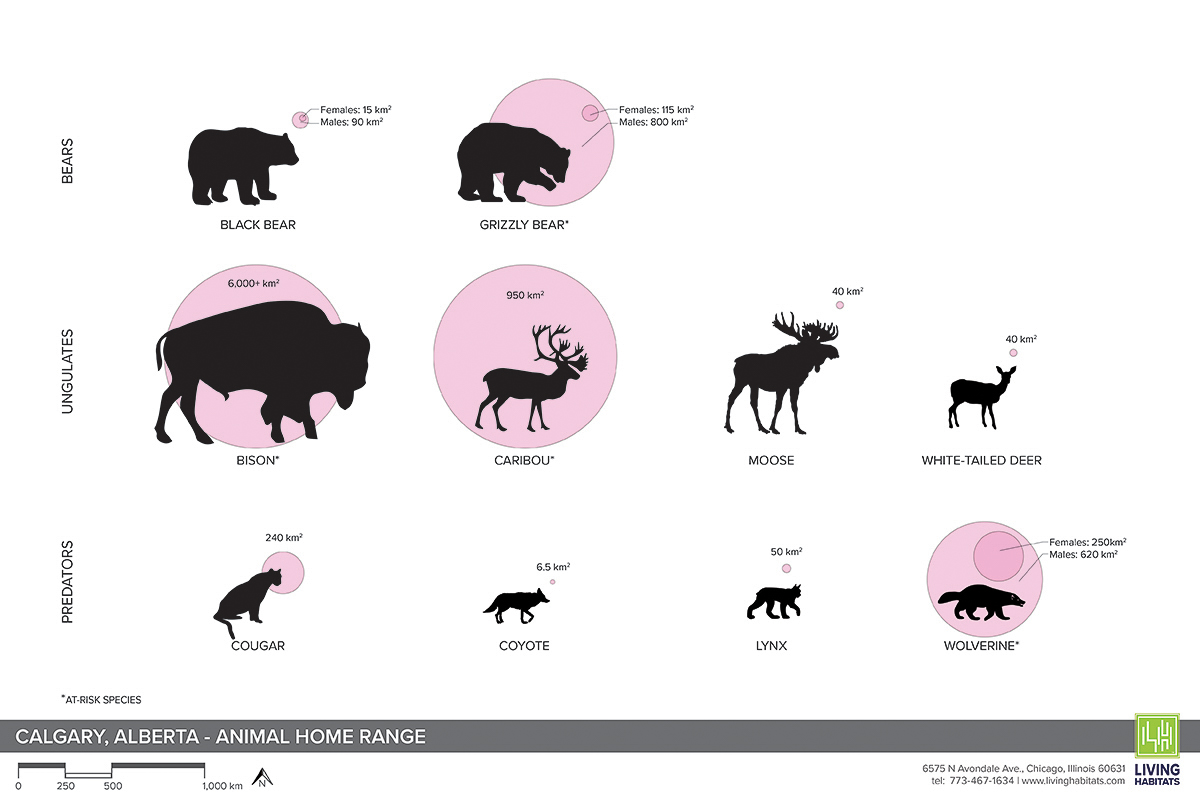
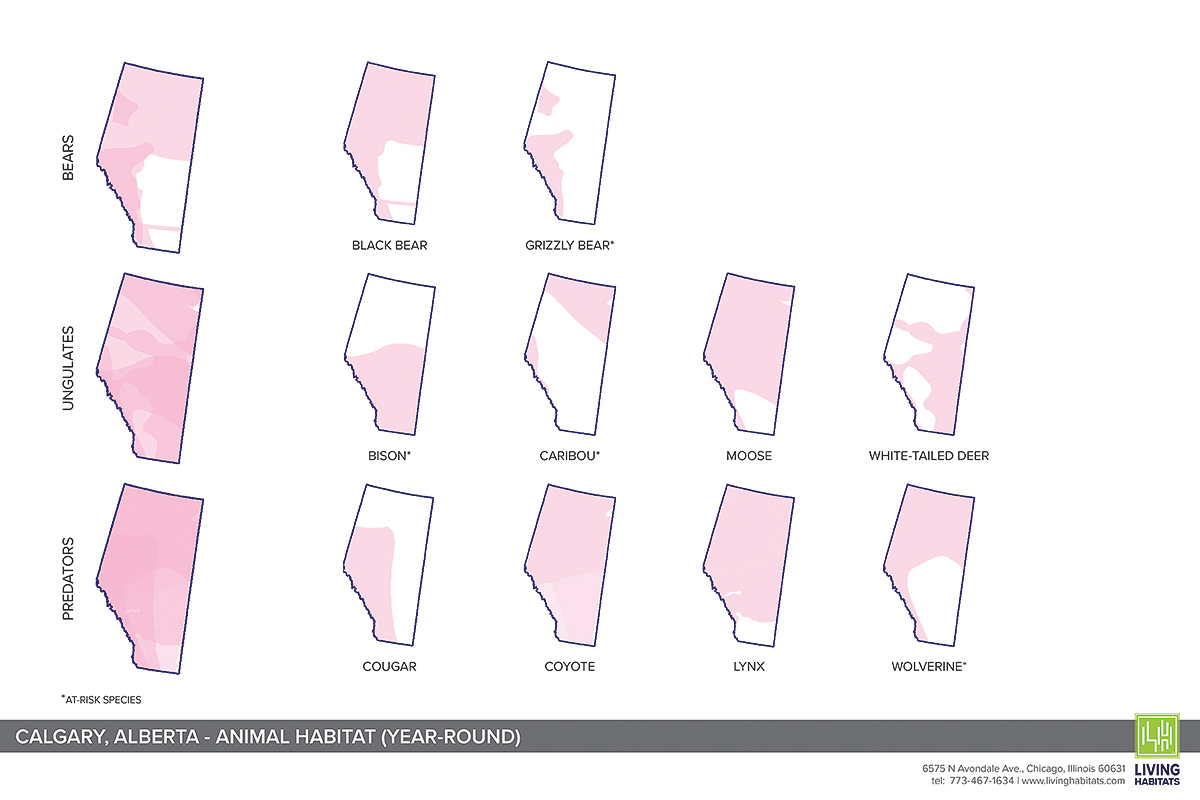
Wildlife biologists, conservation specialists, and other stakeholders contributed knowledge about how at-risk and keystone species move across the landscape and where intervention could have the greatest impact.

Canmore wildlife

Site analysis, meetings, and design exploration identified potential locations for wildlife crossings and habitat restoration. But the study intentionally stopped short of treating any single structure as the answer.

Instead, it established a framework for prioritizing investment over time—recognizing that true habitat connectivity depends upon coordinated decisions across infrastructure, ecology, and land management.

Canmore wildlife crossing project

Designing at landscape scale

Wildlife moves through systems, not project boundaries. The study therefore approached individual crossings as parts of a much larger ecological network, considering transportation and habitat together at the landscape scale.

Completed while Rock was at Living Habitats, the work identified opportunities to reconnect fragmented habitat while allowing human mobility to continue through the region.
More than a crossing

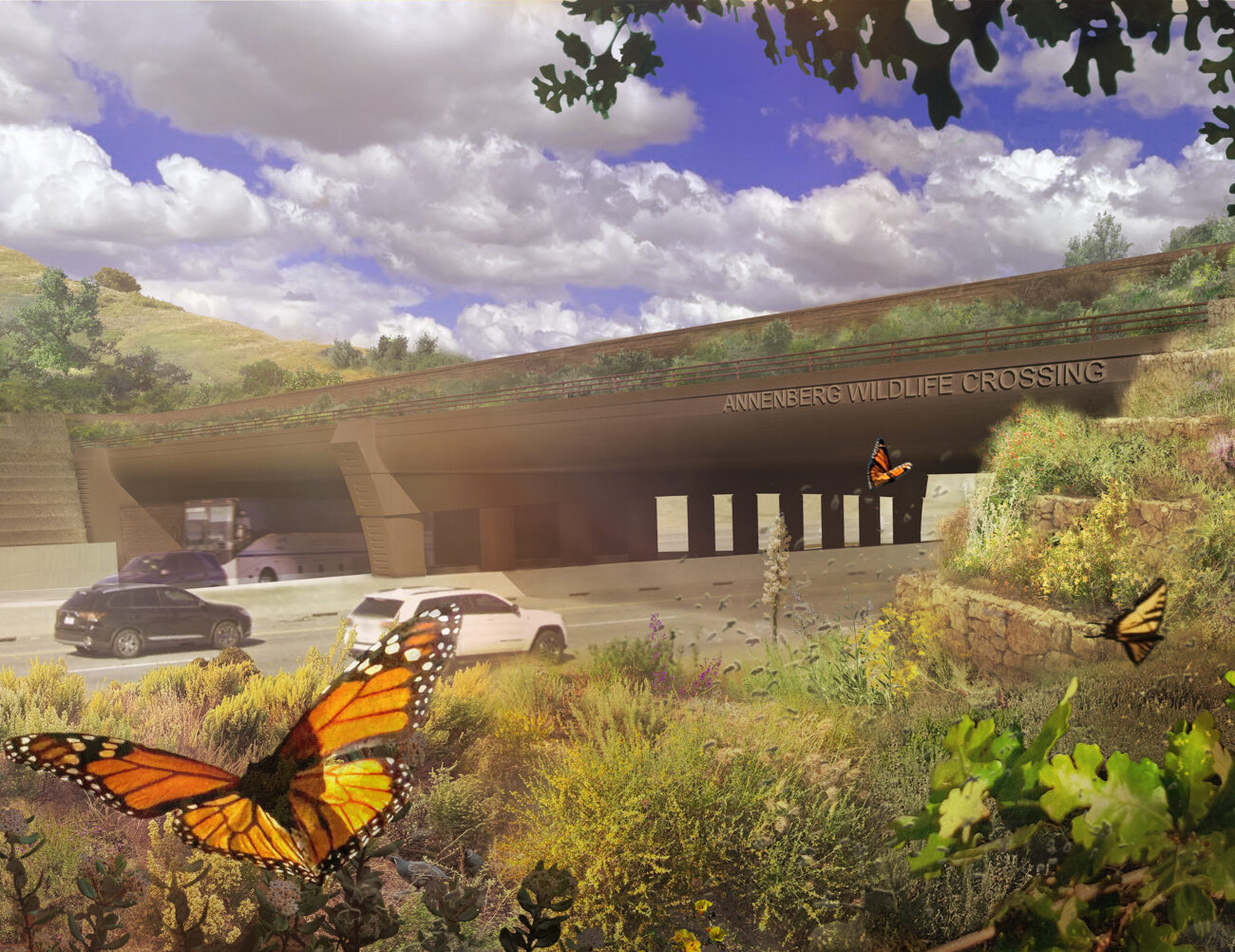
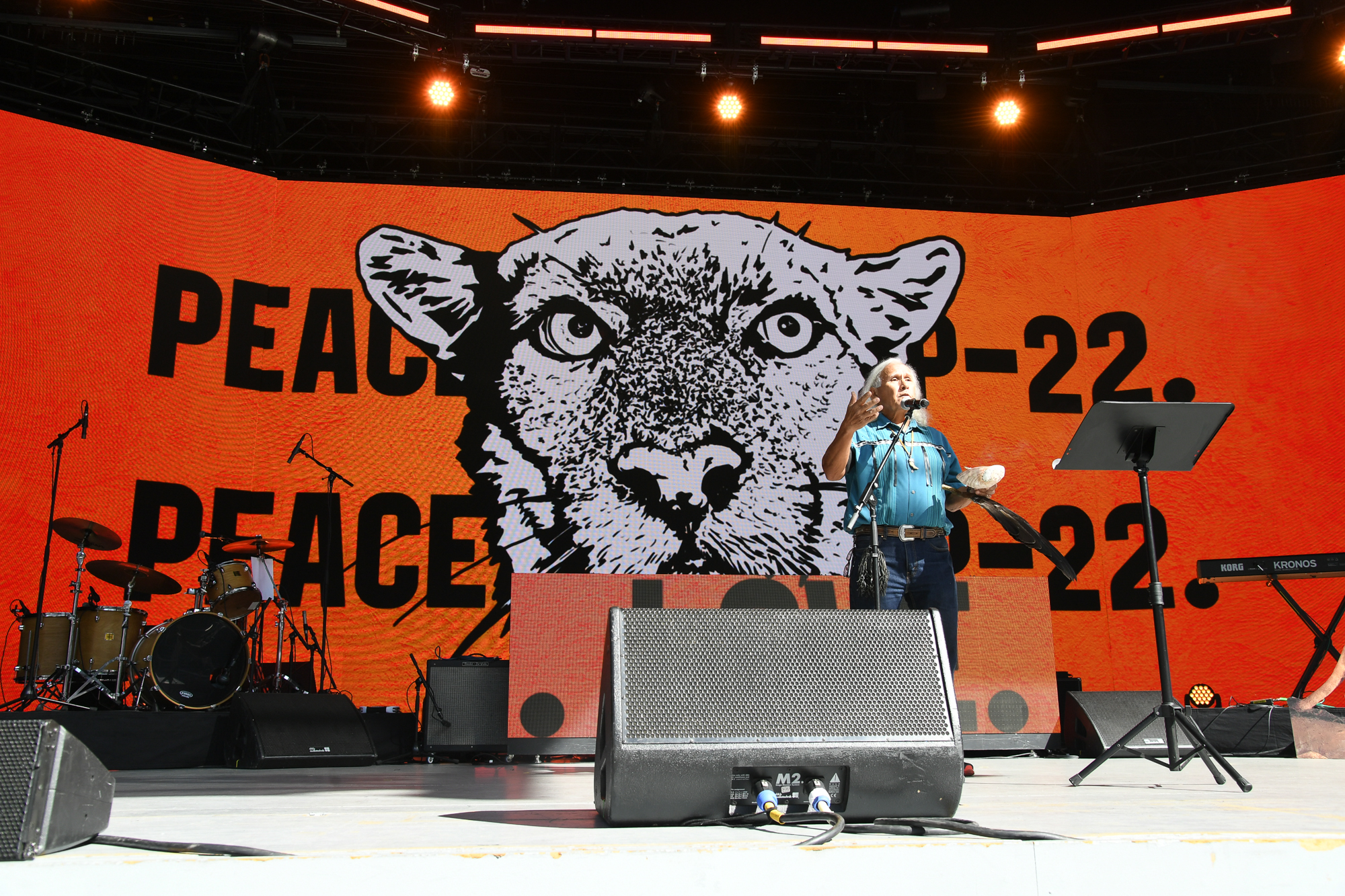
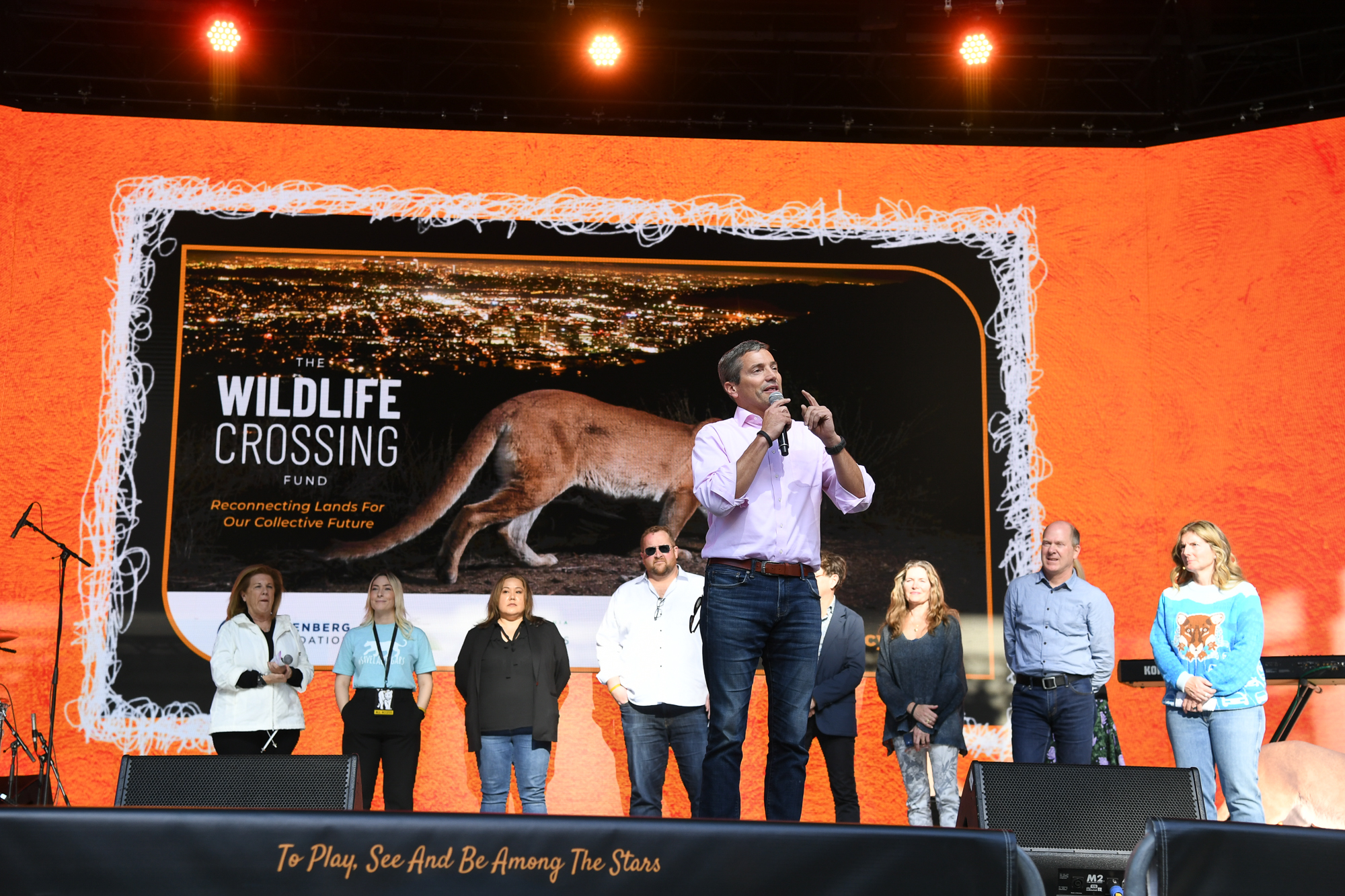
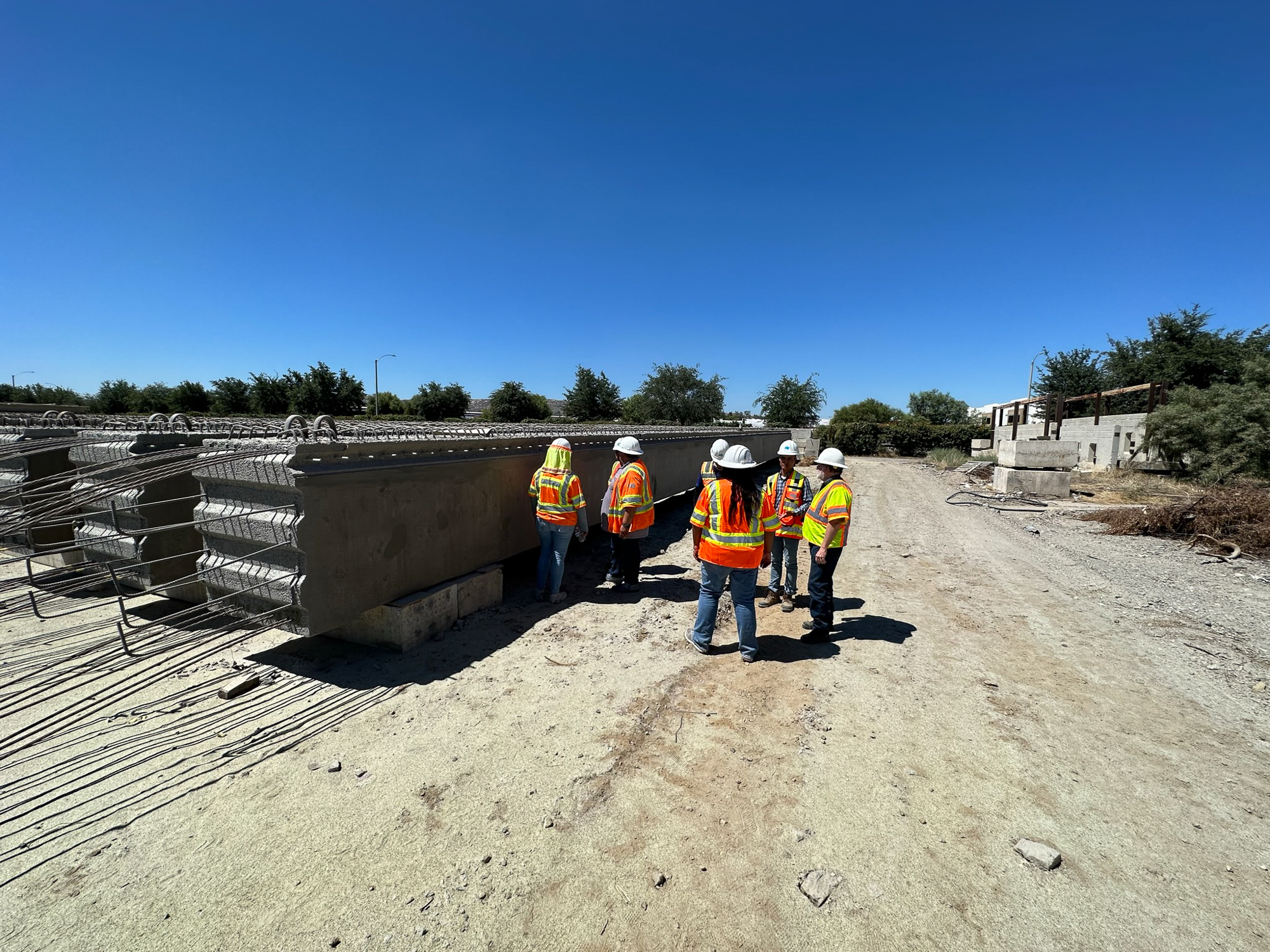
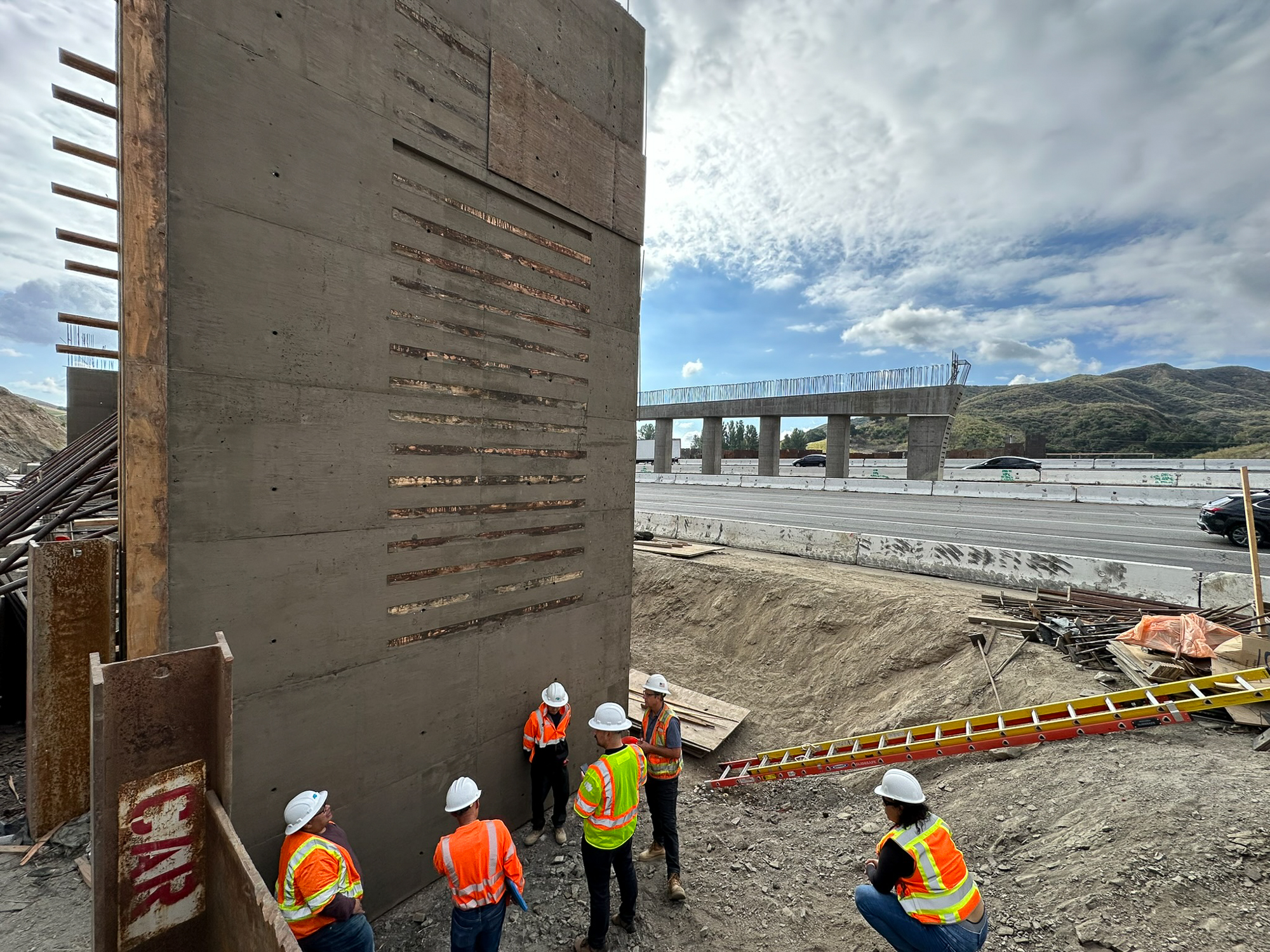
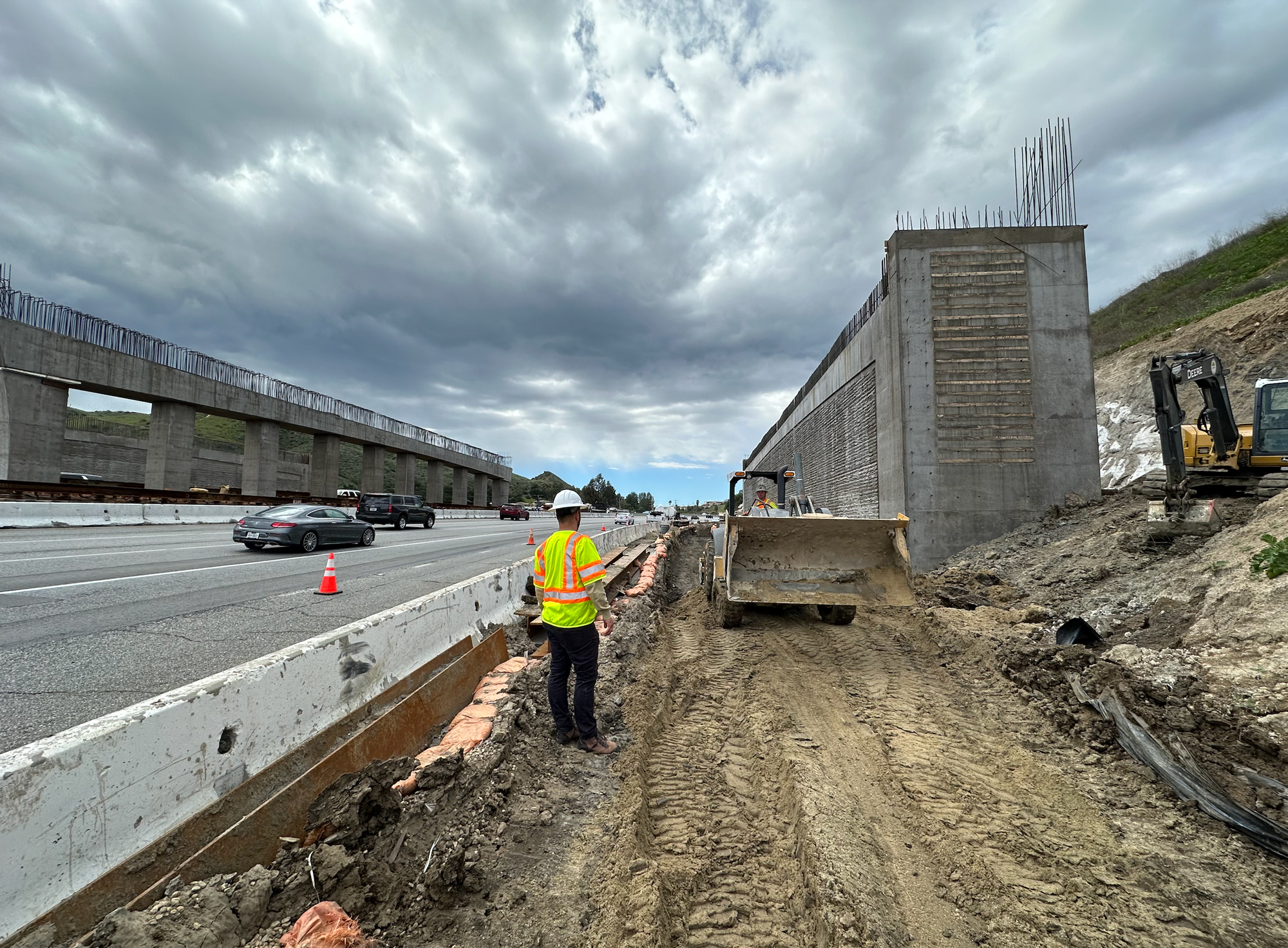
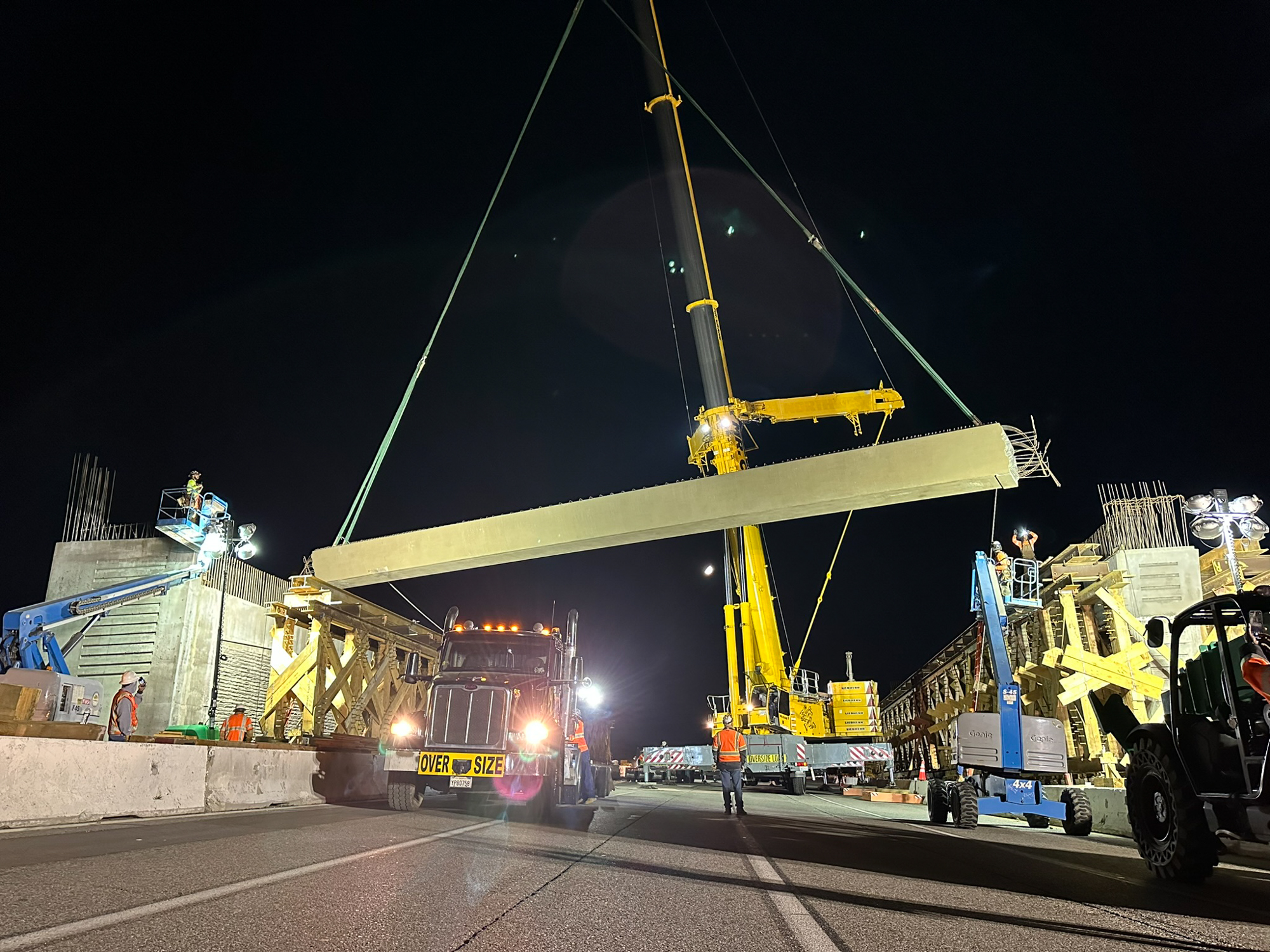
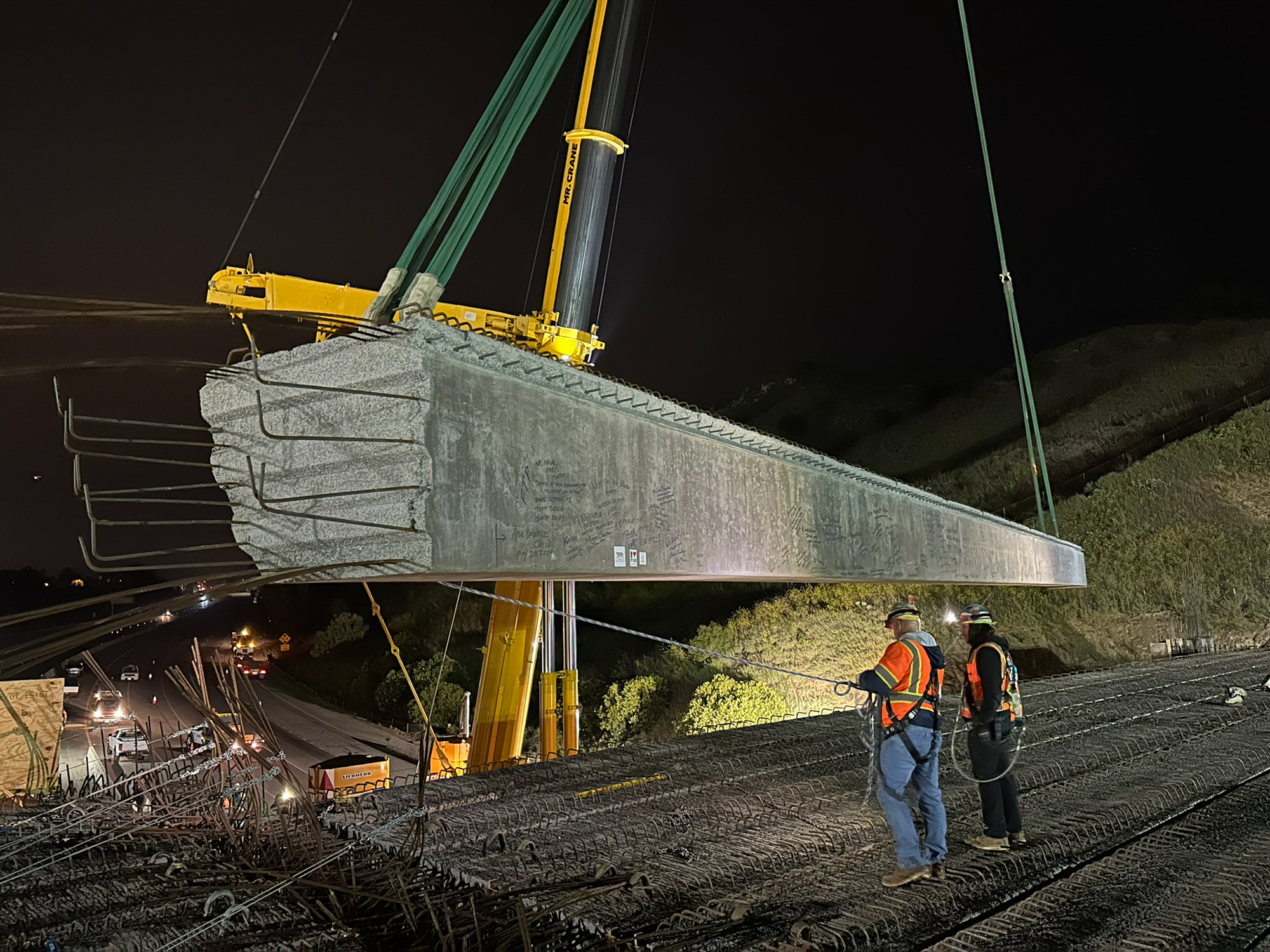
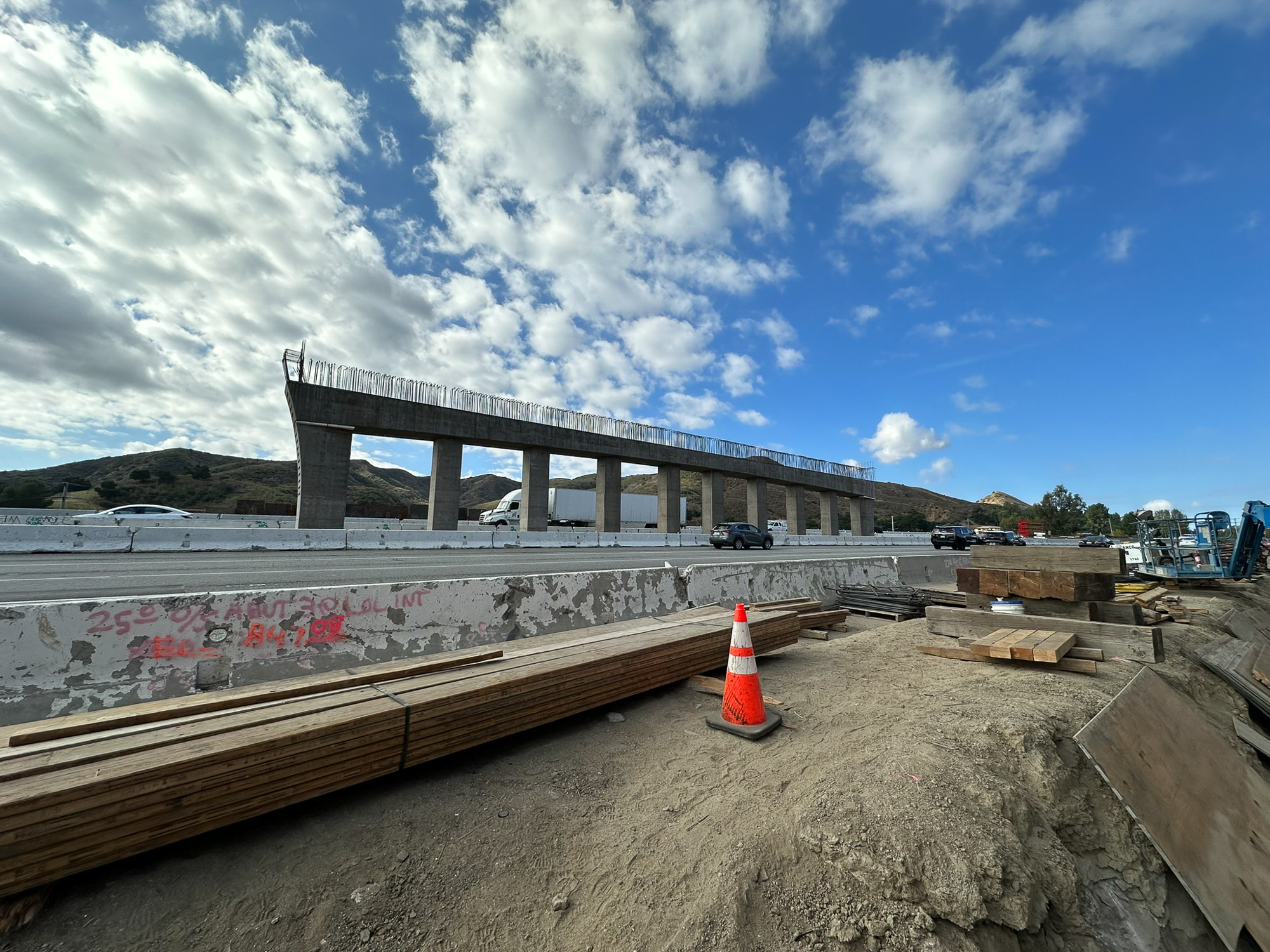
The Wallis Annenberg Wildlife Crossing represents what becomes possible when science, design, engineering, advocacy, and public support move toward a shared goal. It restores a vital connection across one of Southern California’s most significant barriers while creating a model for how infrastructure can respond more thoughtfully to the natural systems around it.

For Rock Design Associates, the project reflects a long-term commitment to collaboration, ecological understanding, and design that serves both people and place. More than a passage over a freeway, the crossing is a lasting investment in the resilience of the Santa Monica Mountains and the wildlife communities that depend on them.

A closer look

Want an even more in depth look at our approach to this project and its various stages of development? View the full design story behind the Wallis Annenberg Wildlife Crossing project.

Our work spans landscapes of every scale.

From regional ecological infrastructure to parks, campuses, and public spaces, every project begins with the same commitment to understanding place and designing for lasting impact.

Stay connected.

Have a project in mind or a place that deserves thoughtful attention? We’d welcome the opportunity to learn more and explore what’s possible.

Have a project in mind?

Do not hesitate to say