
Teardrop Park South

Creating richness within a compact urban landscape

New York, New York

Work performed by Robert Rock during his tenure at Michael Van Valkenburgh Associates.

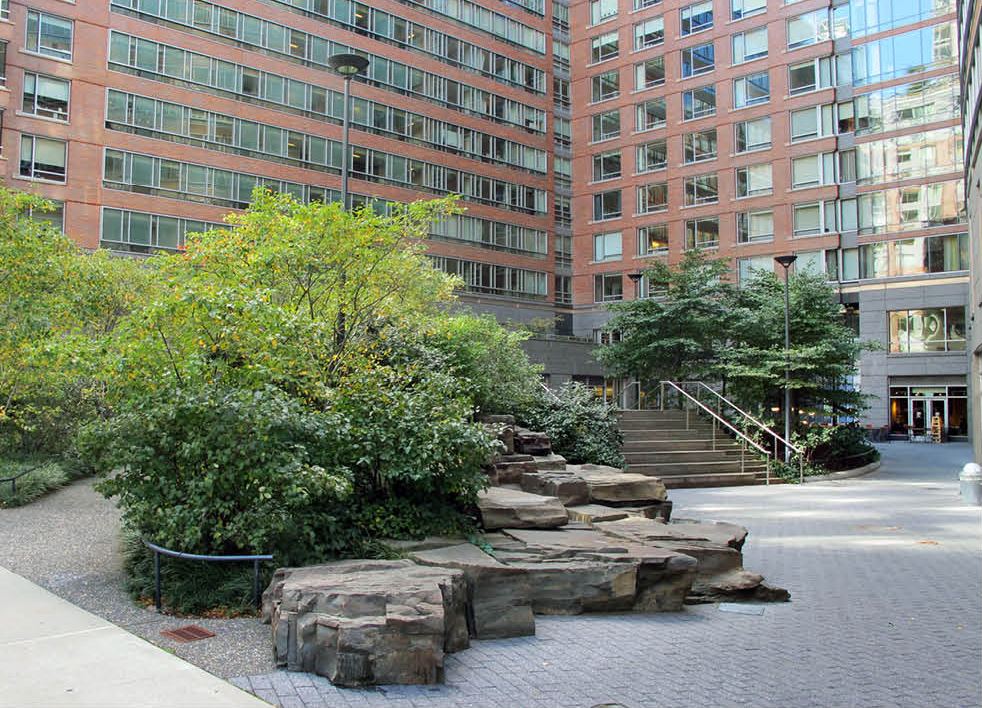
Teardrop Park South occupies a relatively compact space within Battery Park City, yet it needed to accommodate people of different ages, different levels of activity, and different reasons for visiting.

Rather than creating a single open space, the design uses landform, planting, stone walls, and water to establish a sequence of distinct but connected experiences.

Teardrop Park South

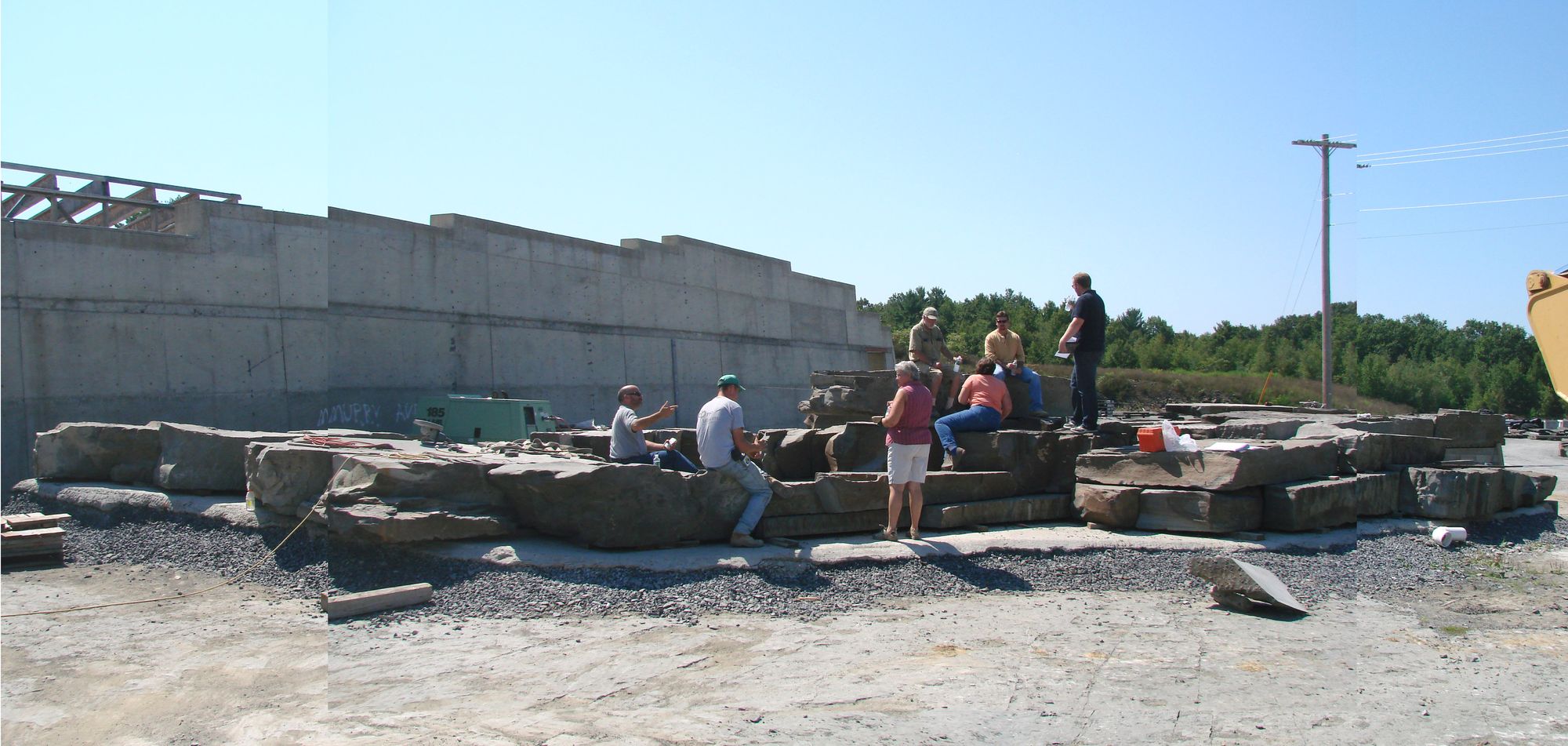
Bluestone walls, changes in grade, planting, lawns, and water features create spaces that alternate between open and enclosed, active and quiet.

Water and sand play can coexist with seating, gardens, and lawn because the landscape itself organizes those activities rather than separating them with rigid boundaries.

Teardrop Park South

The park is built above a two-story parking structure, making soil depth, drainage, and water management integral to its design.

Stormwater capture and recirculating systems support the park’s water features while reducing reliance on potable water. Rock oversaw construction of the project while at Michael Van Valkenburgh Associates.

Teardrop Park South

A landscape of many experiences

Teardrop Park South demonstrates that richness does not depend on size. Careful transitions in material, planting, elevation, and enclosure allow a relatively compact landscape to feel varied, immersive, and exploratory.

Its success lies not only in its visual character, but in how comfortably different kinds of activity can happen side by side—bringing play, ecology, infrastructure, and everyday public life together within one carefully layered landscape.
More than a crossing

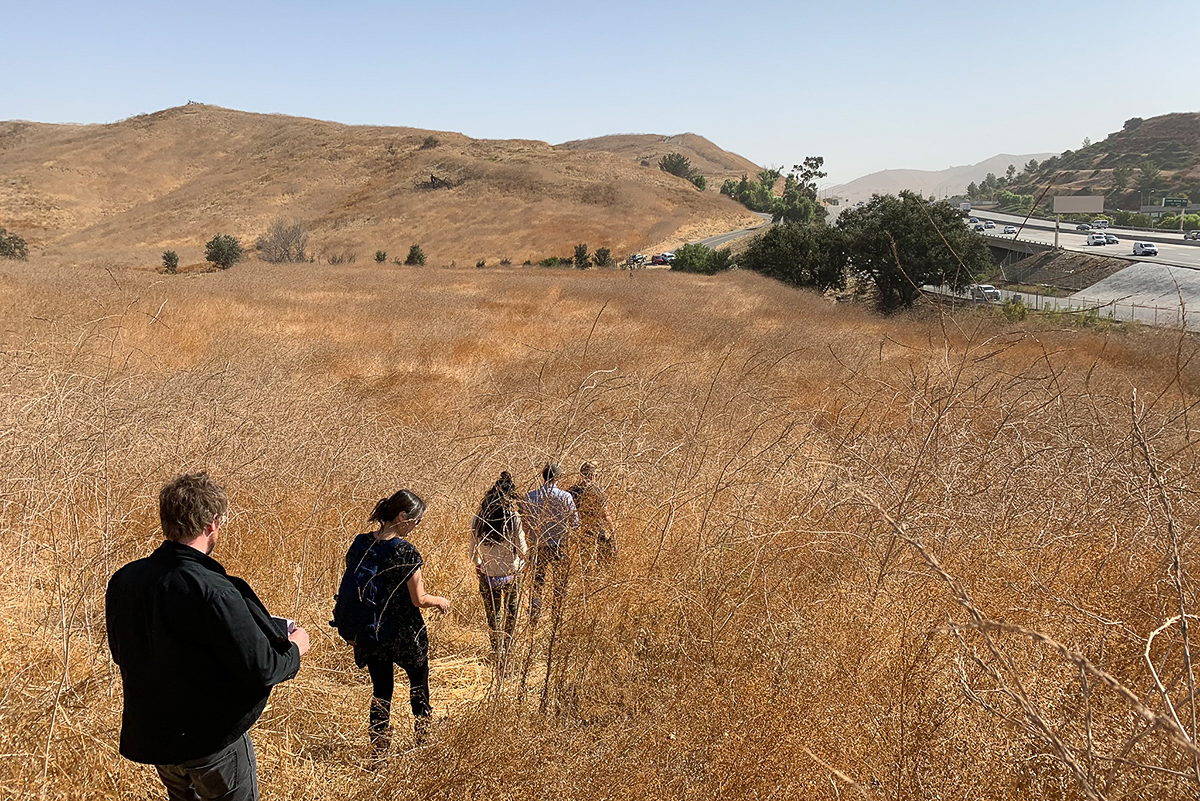
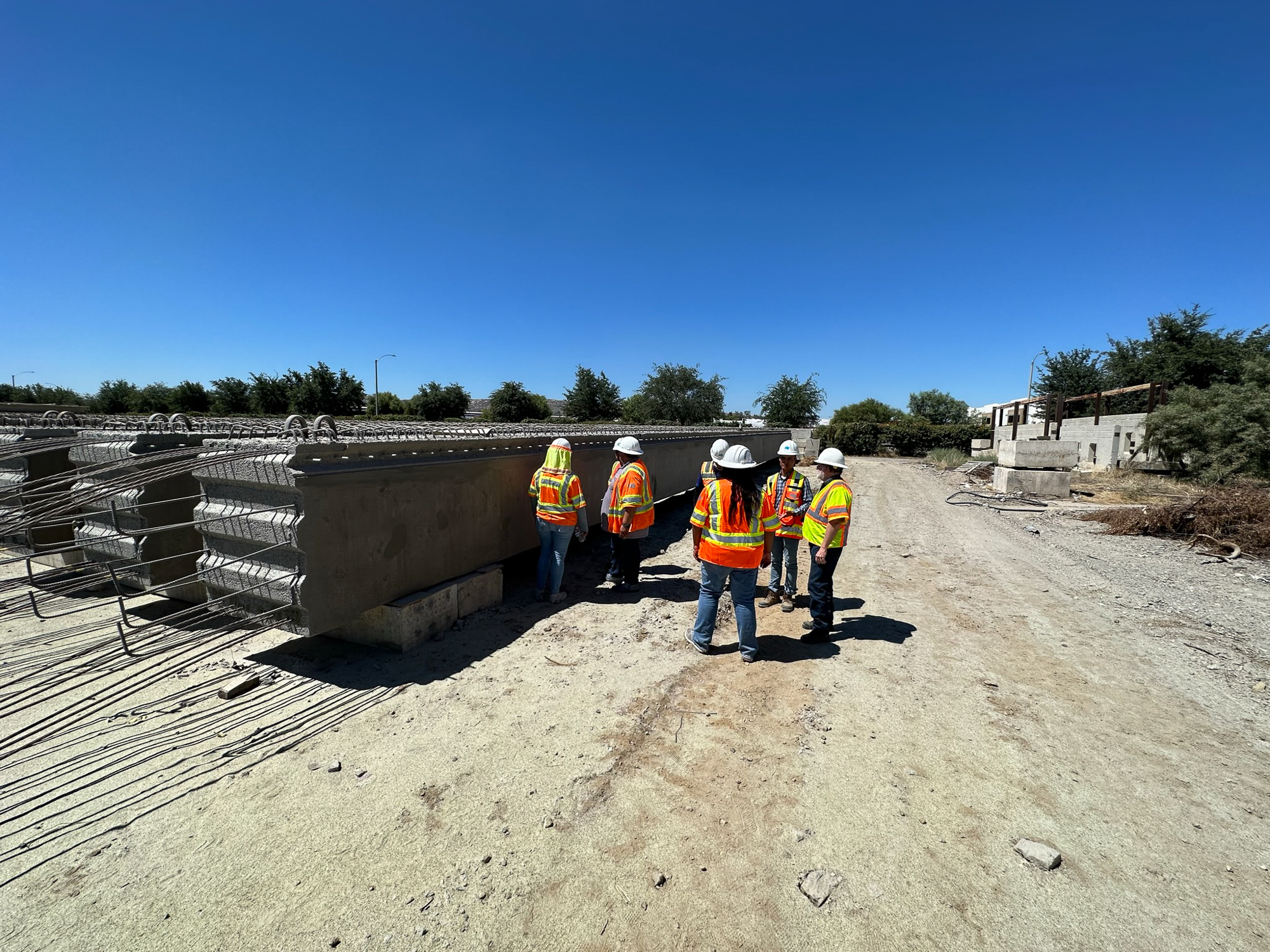
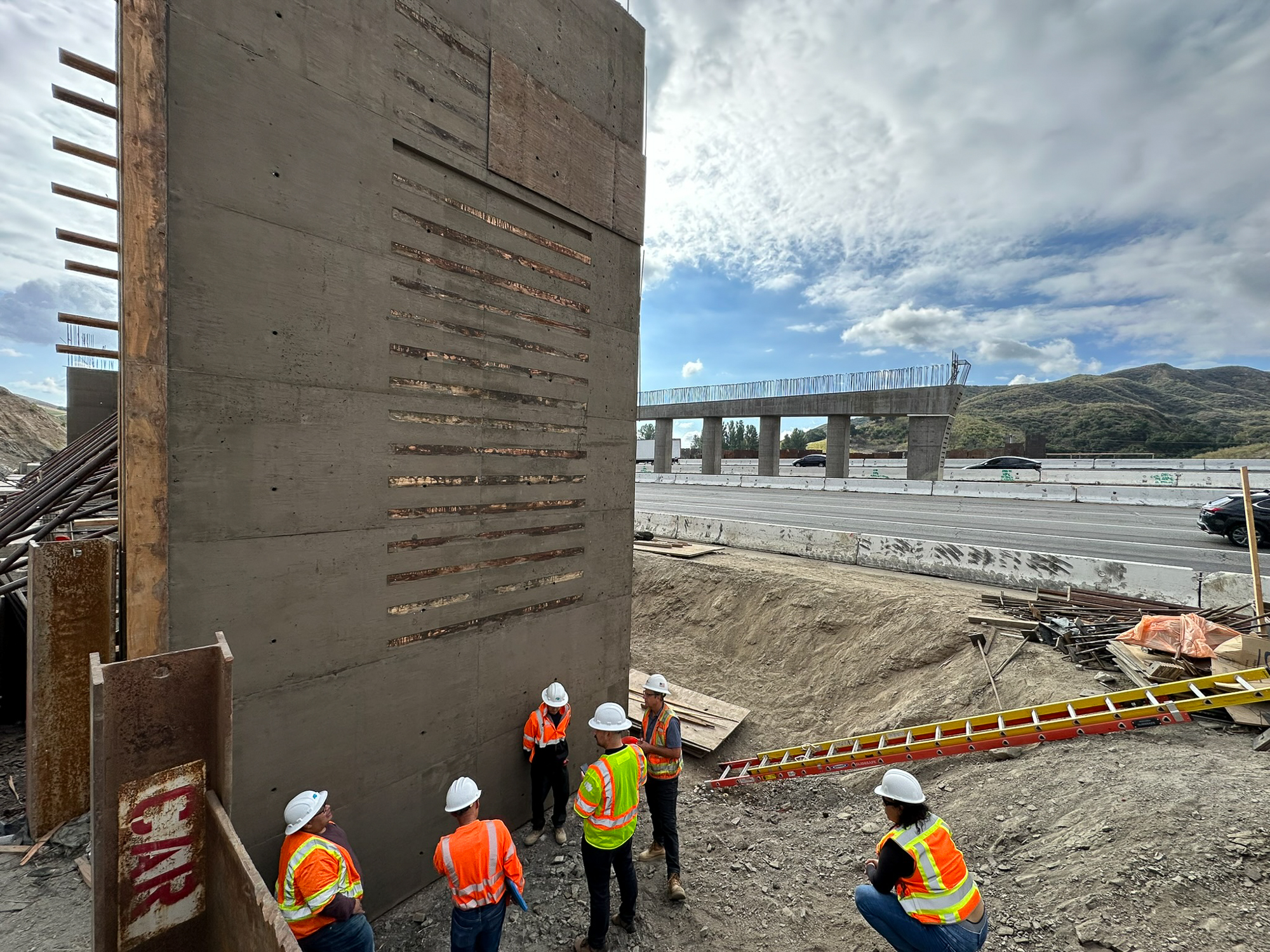
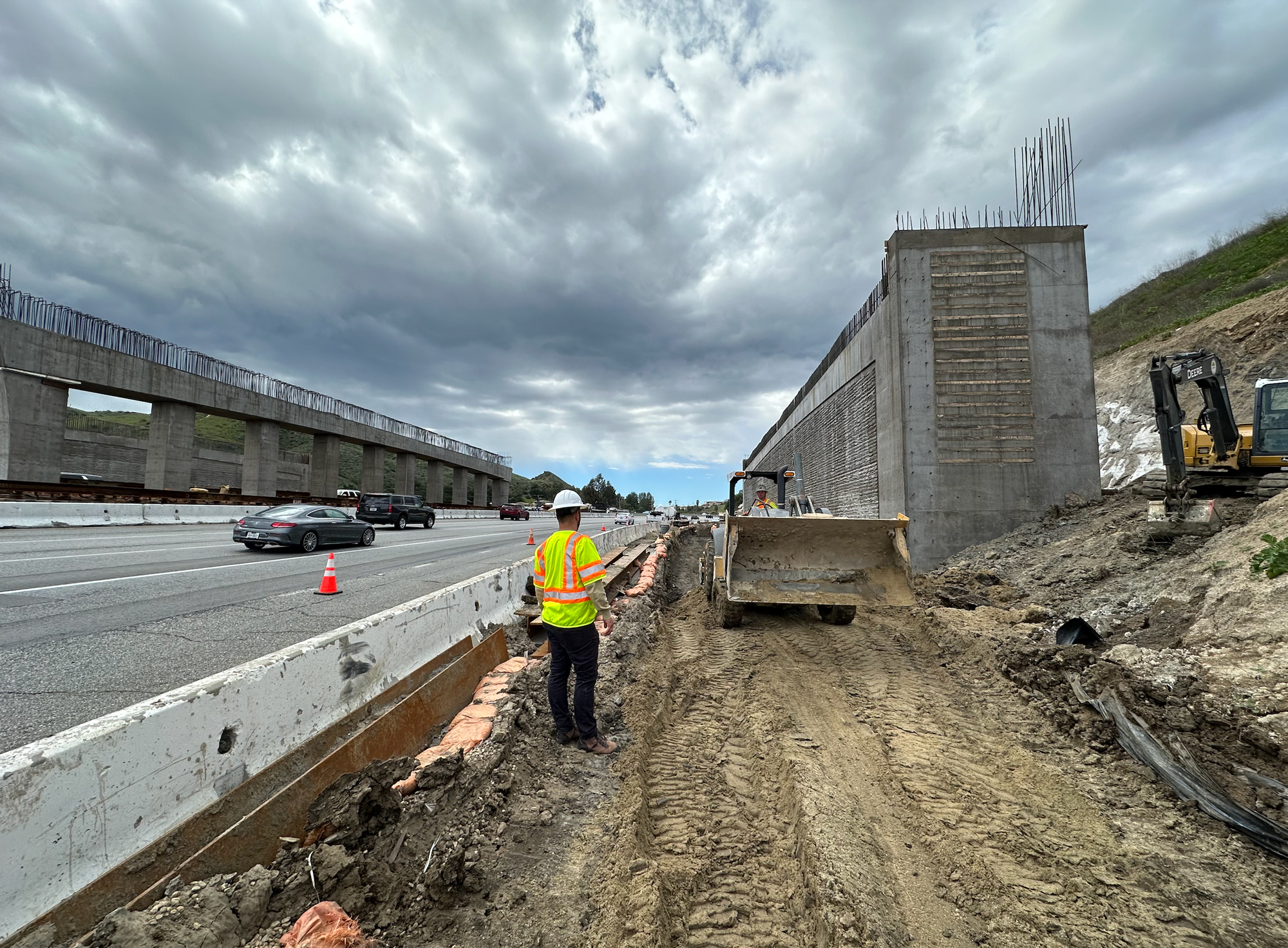
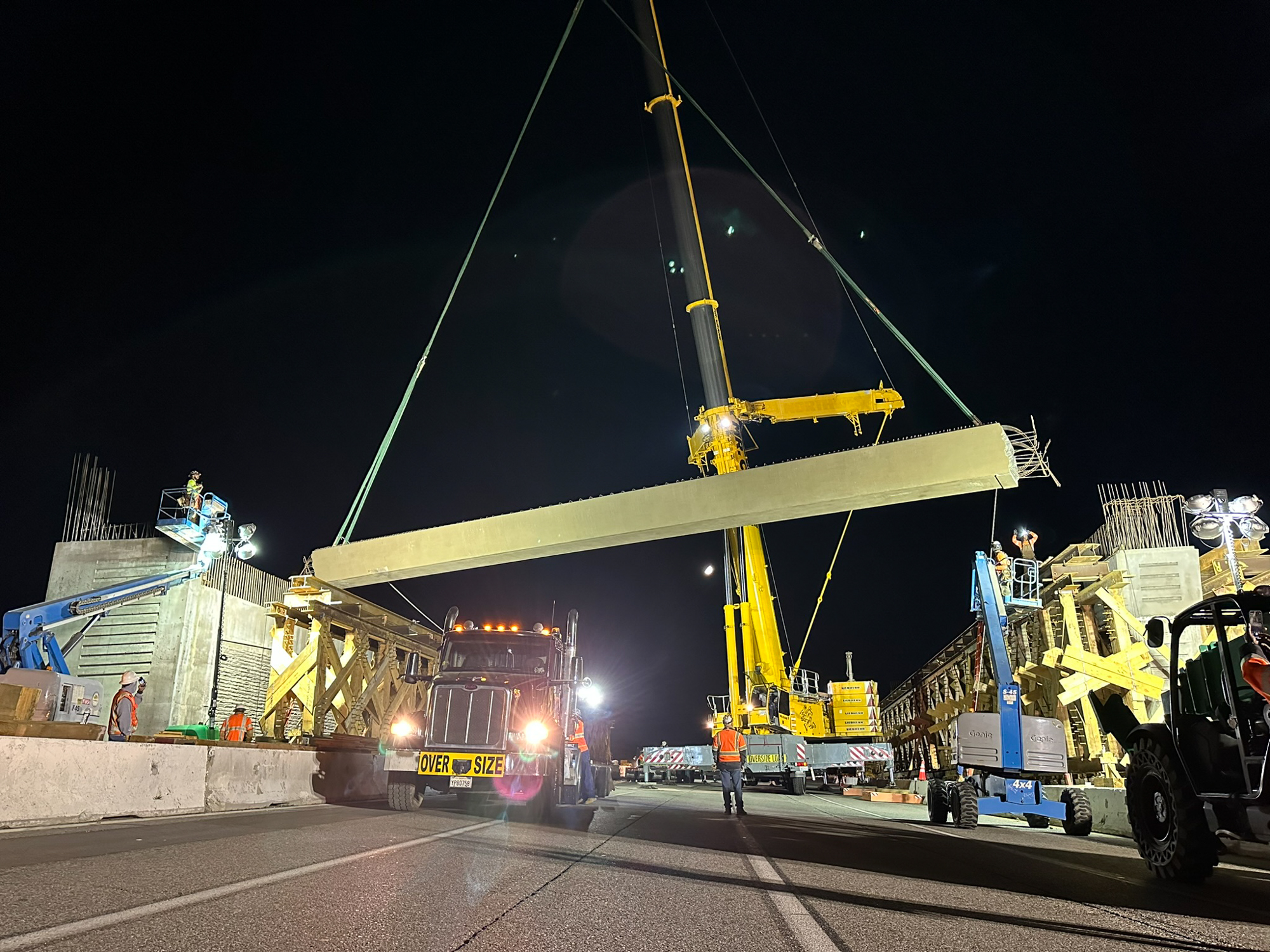
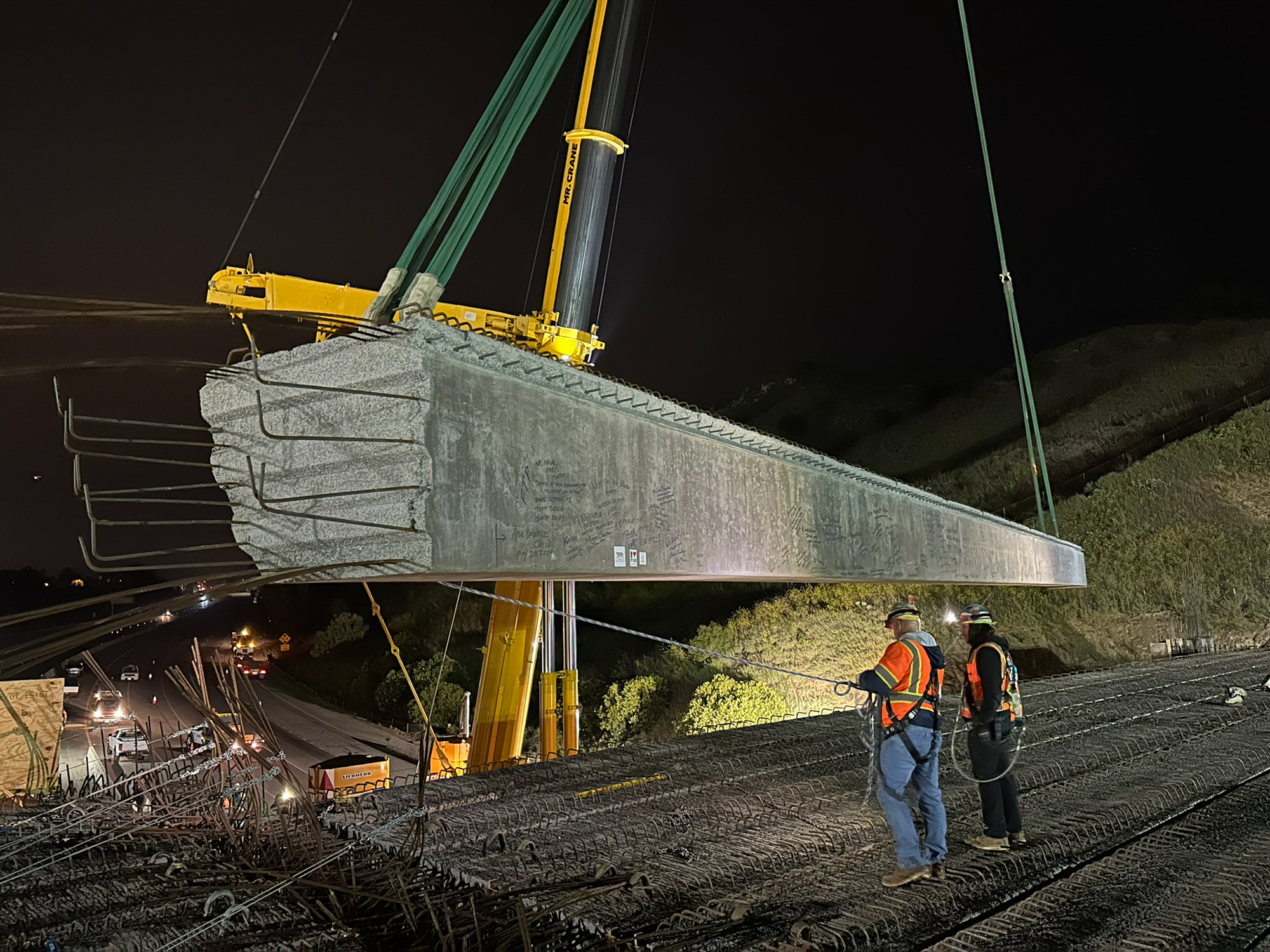
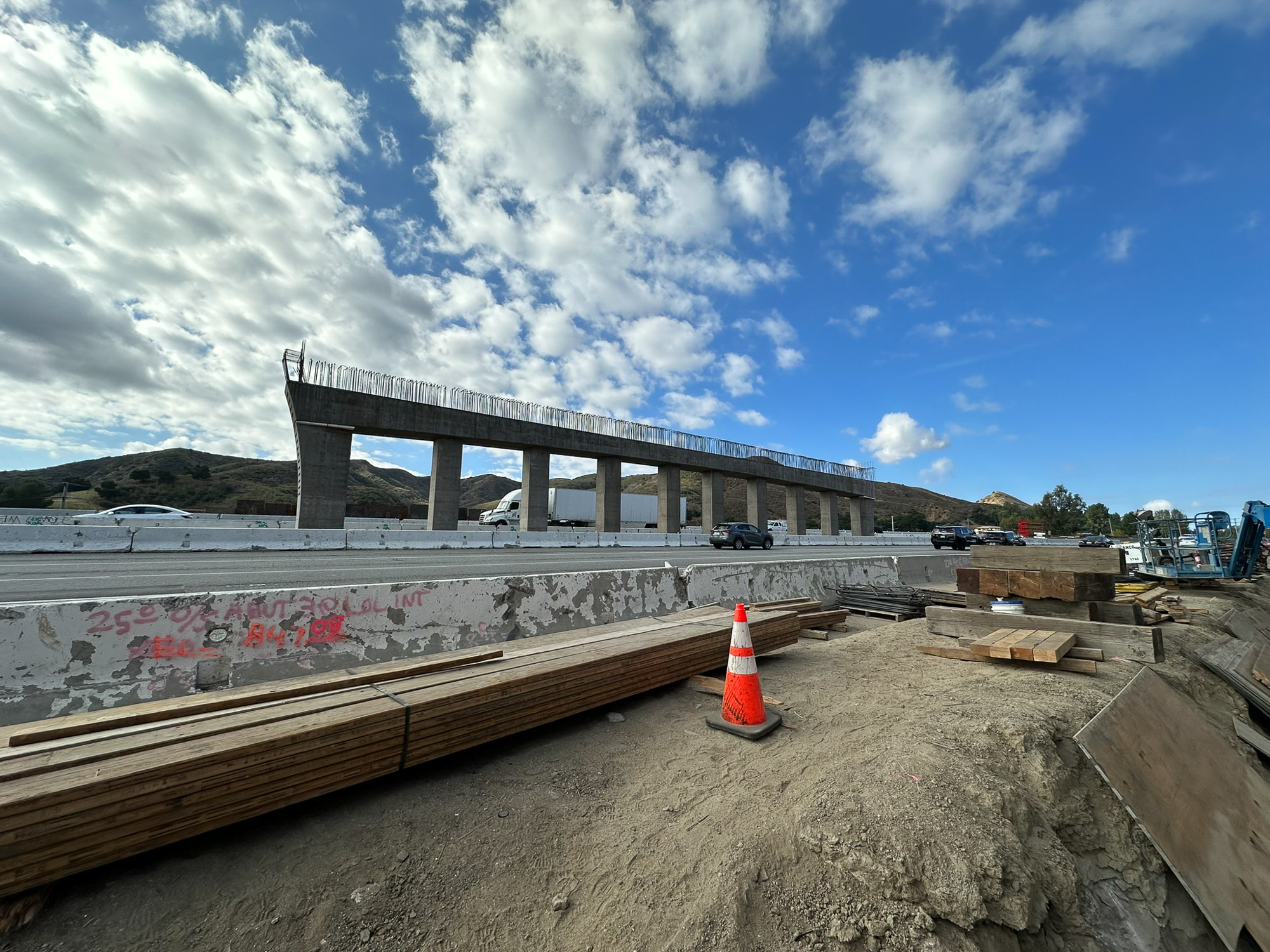
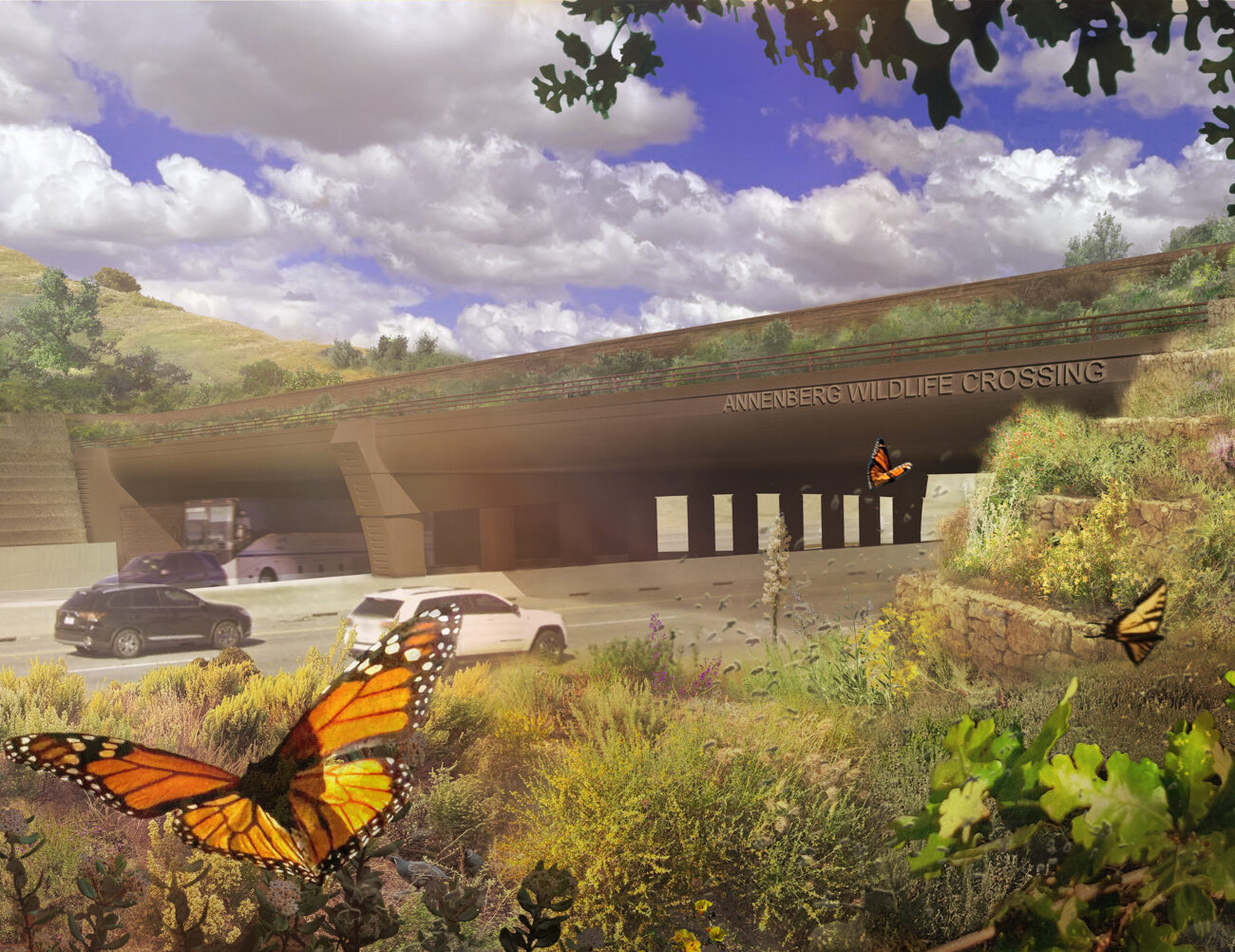
The Wallis Annenberg Wildlife Crossing represents what becomes possible when science, design, engineering, advocacy, and public support move toward a shared goal. It restores a vital connection across one of Southern California’s most significant barriers while creating a model for how infrastructure can respond more thoughtfully to the natural systems around it.

For Rock Design Associates, the project reflects a long-term commitment to collaboration, ecological understanding, and design that serves both people and place. More than a passage over a freeway, the crossing is a lasting investment in the resilience of the Santa Monica Mountains and the wildlife communities that depend on them.

A closer look

Want an even more in depth look at our approach to this project and its various stages of development? View the full design story behind the Wallis Annenberg Wildlife Crossing project.

Our work spans landscapes of every scale.

From regional ecological infrastructure to parks, campuses, and public spaces, every project begins with the same commitment to understanding place and designing for lasting impact.

Stay connected.

Have a project in mind or a place that deserves thoughtful attention? We’d welcome the opportunity to learn more and explore what’s possible.

Have a project in mind?

Do not hesitate to say