Wallis Annenberg Wildlife Crossing LEGO® Build

Making ecological infrastructure tangible through play

LEGO Ideas® Competition Entry 2023

Work performed by Robert Rock during his tenure at Living Habitats.

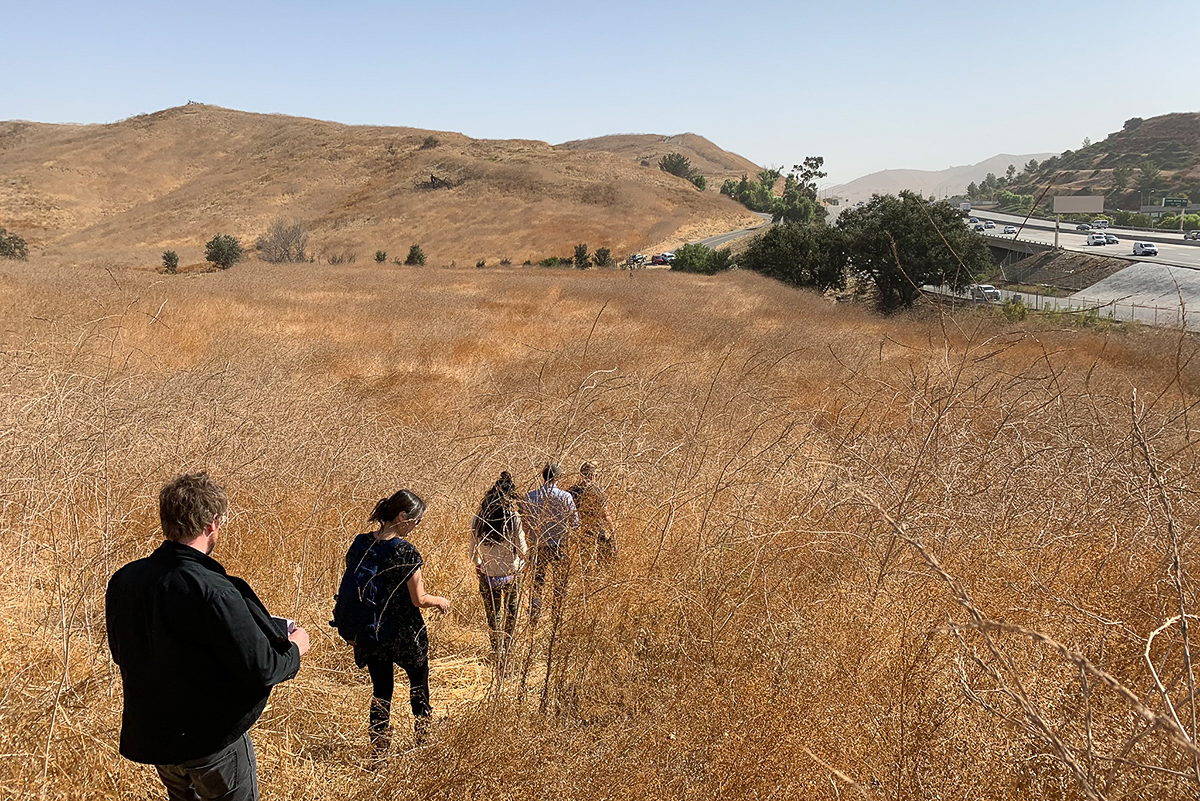
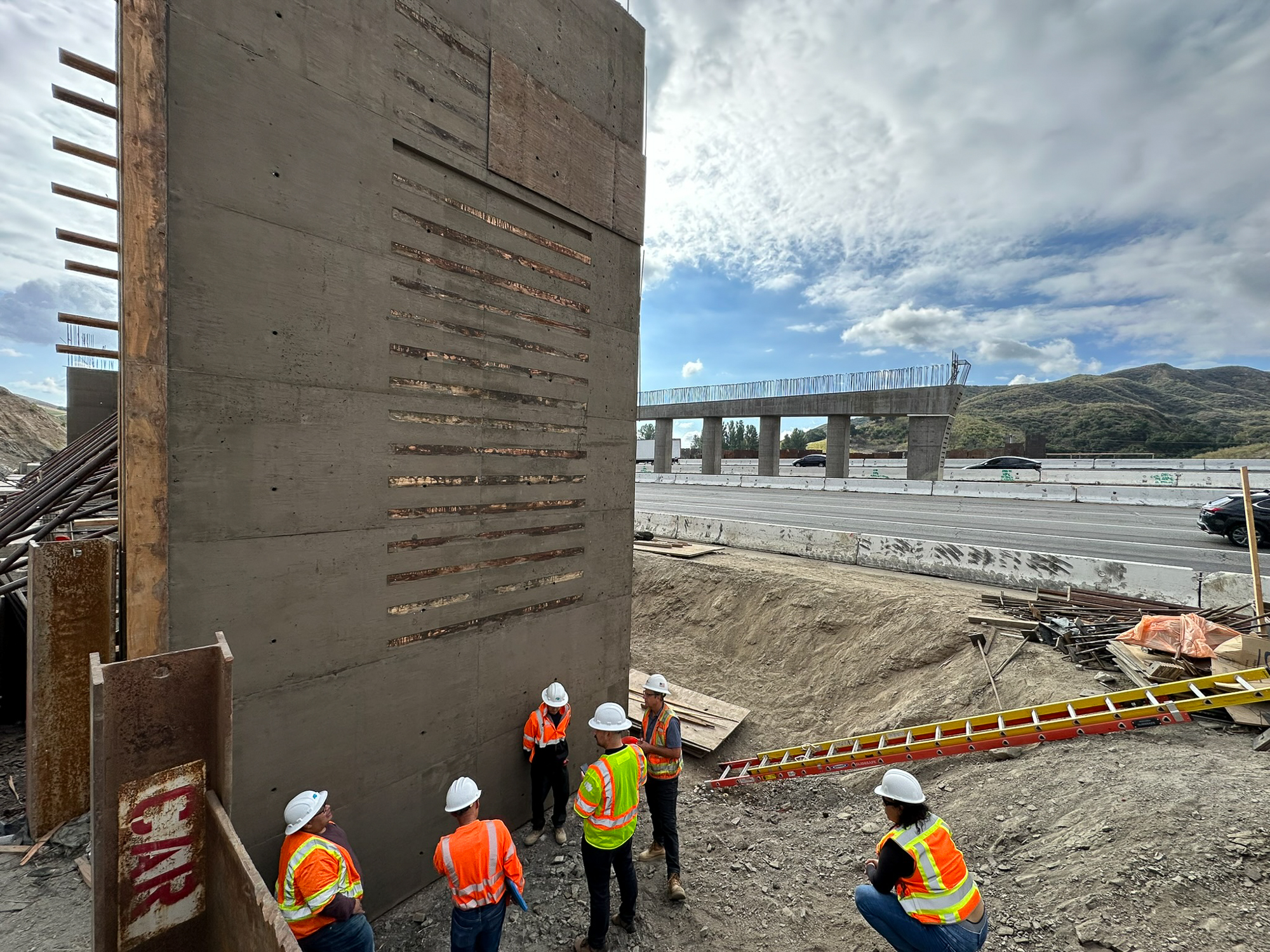
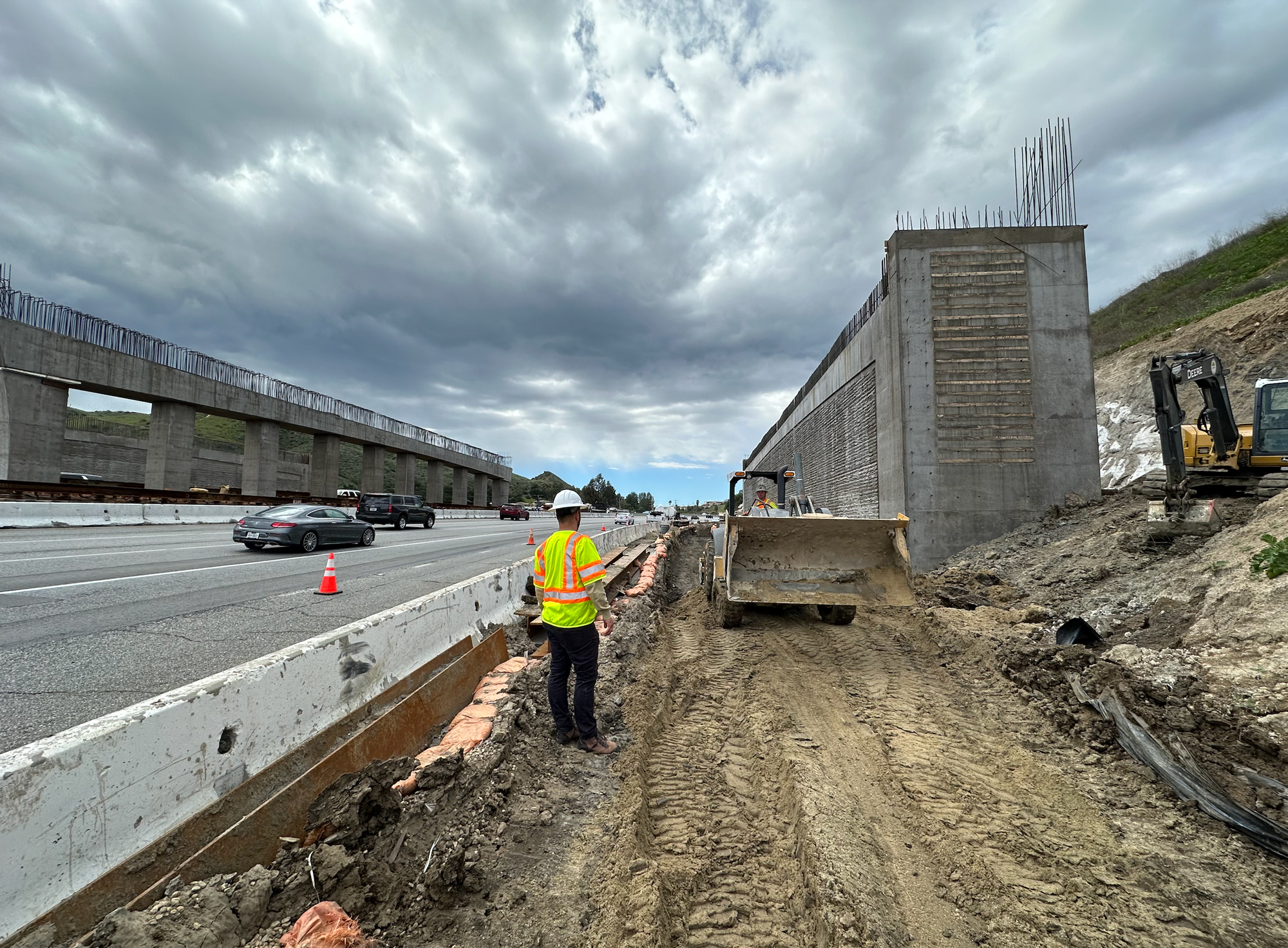
The Wallis Annenberg Wildlife Crossing addresses a complex ecological challenge at an extraordinary scale. But explaining habitat connectivity, wildlife movement, and living infrastructure to a broad audience can be just as important as designing the crossing itself.

Rock imagined a different way to tell that story: through LEGO bricks. The familiar medium offered a playful, accessible way to translate a sophisticated landscape project into something people of all ages could understand and explore.

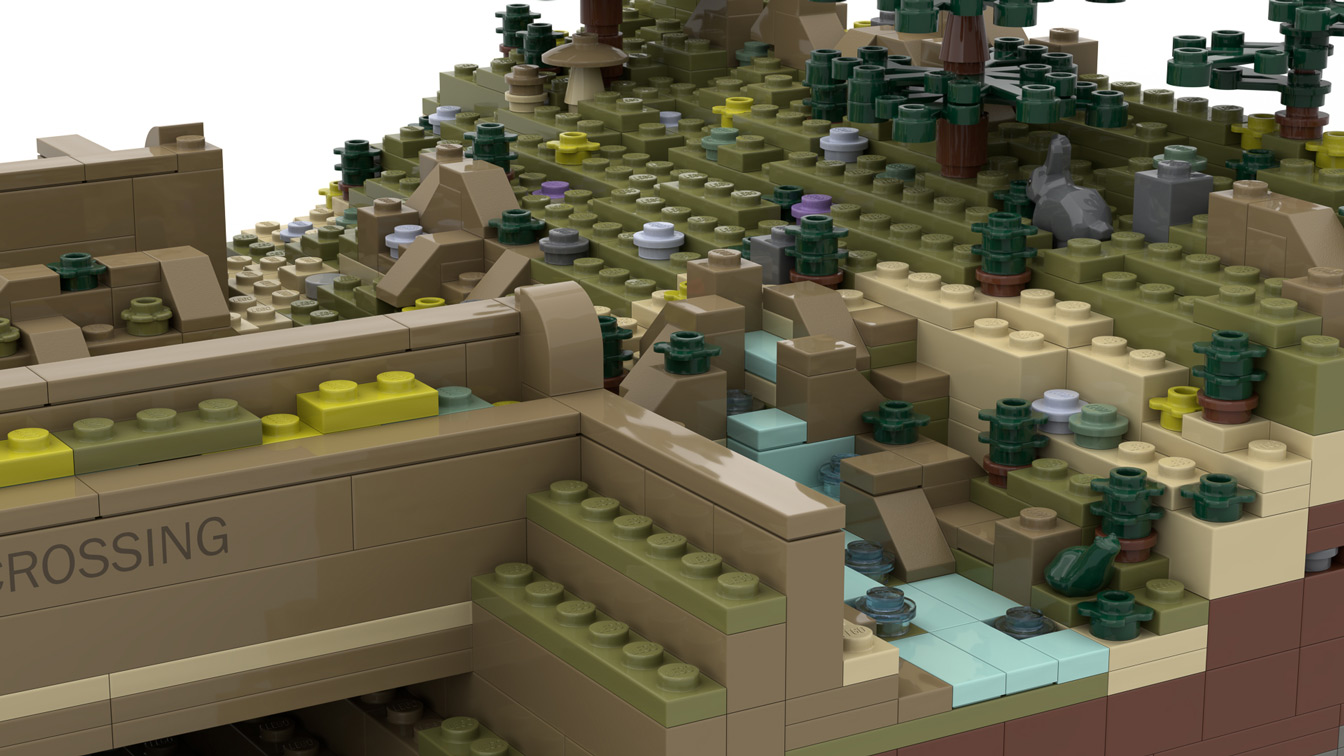
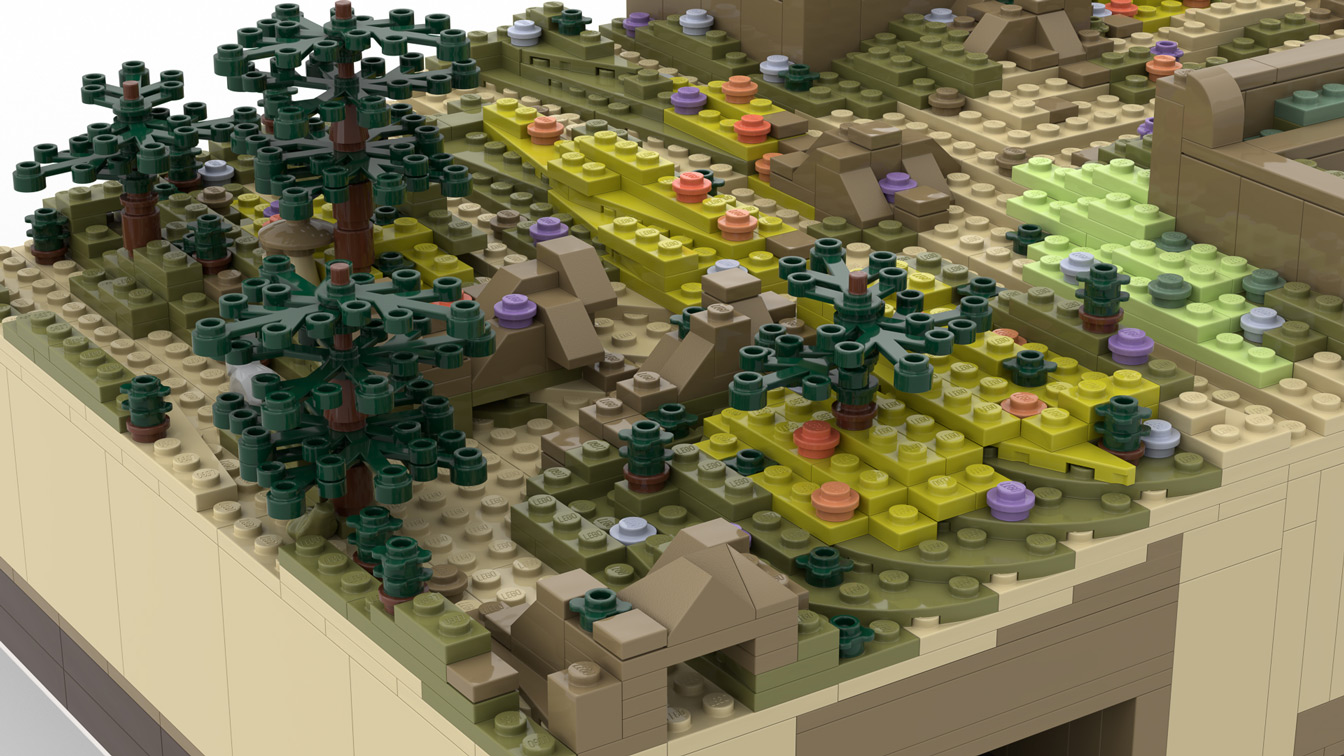
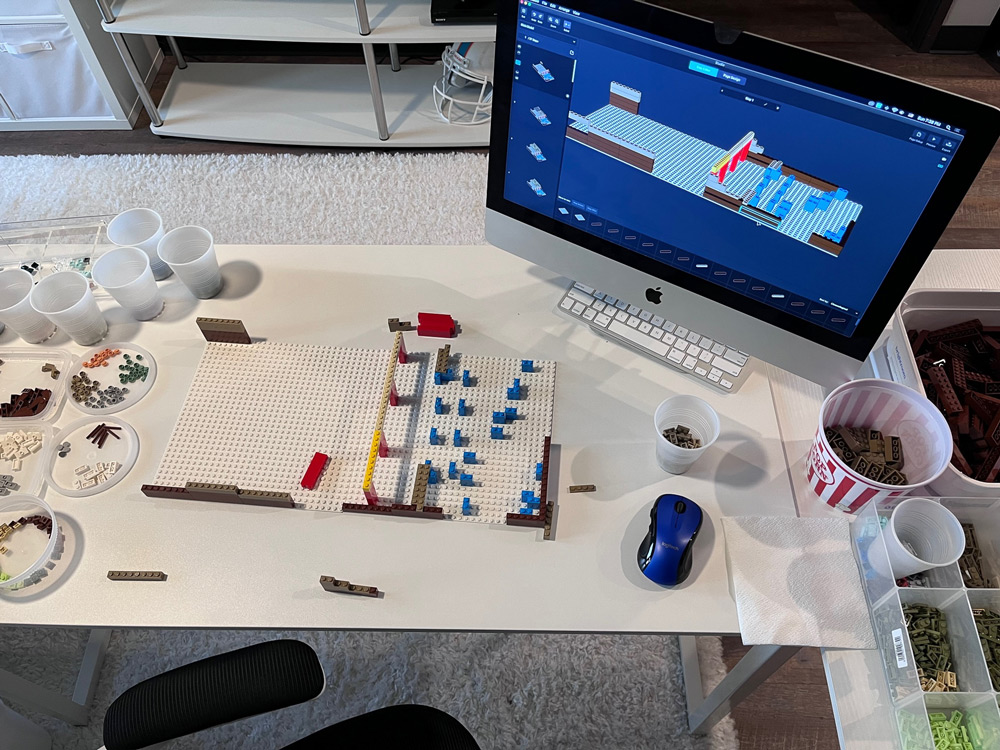
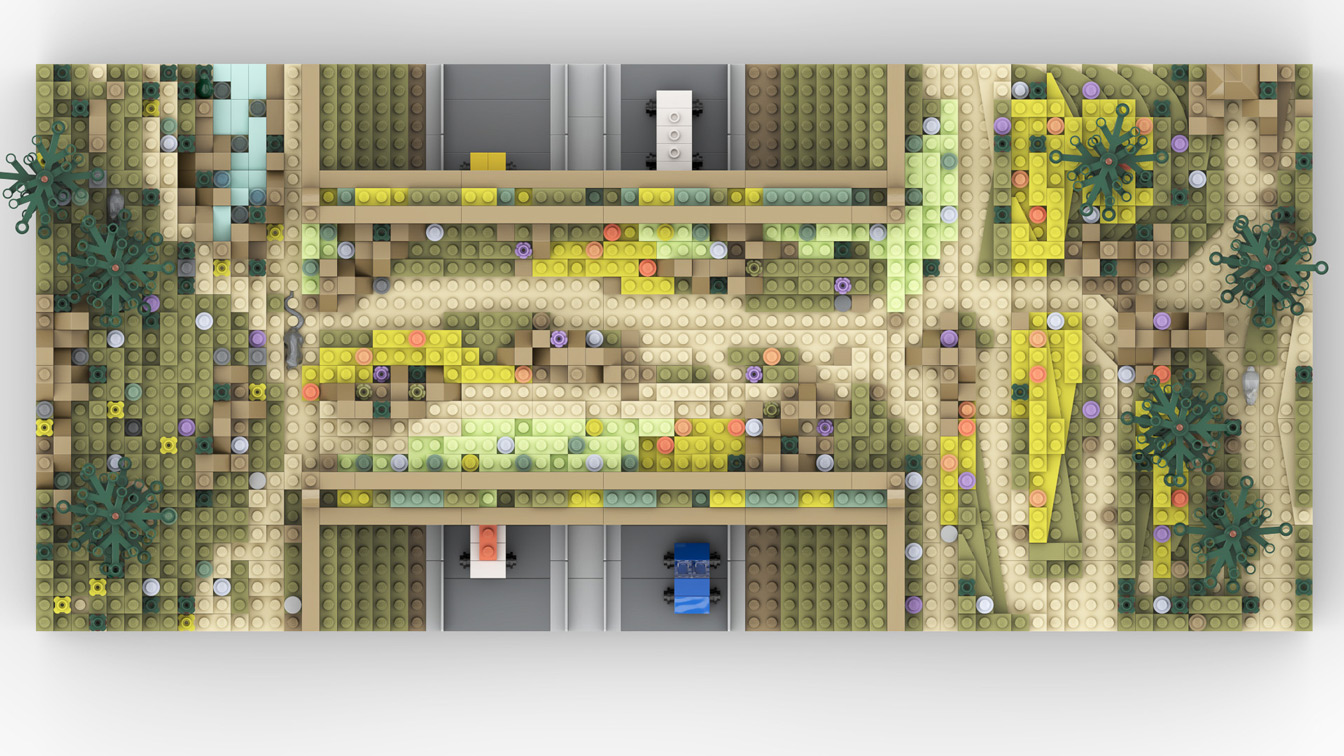
WAWC Lego computer model

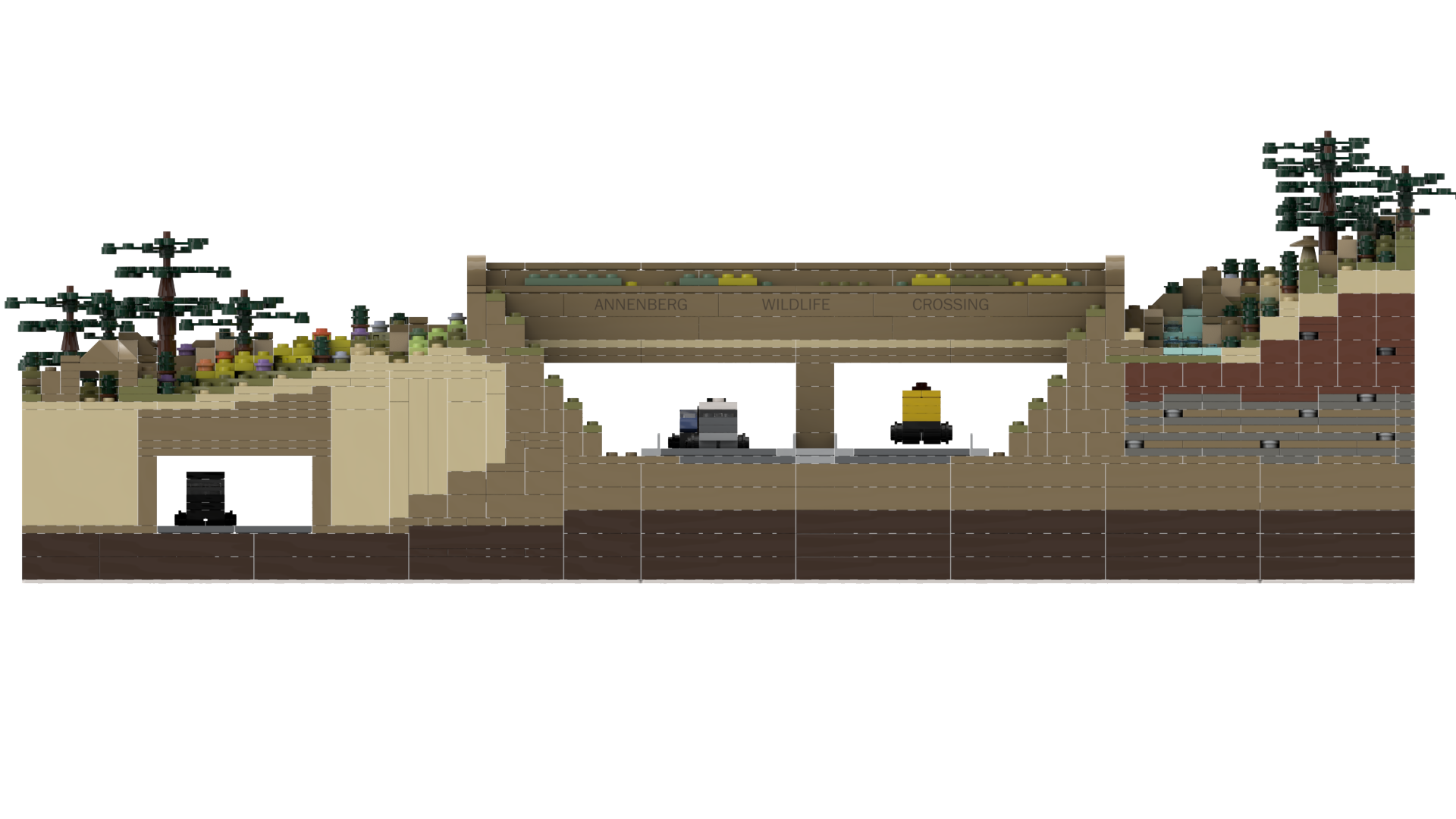
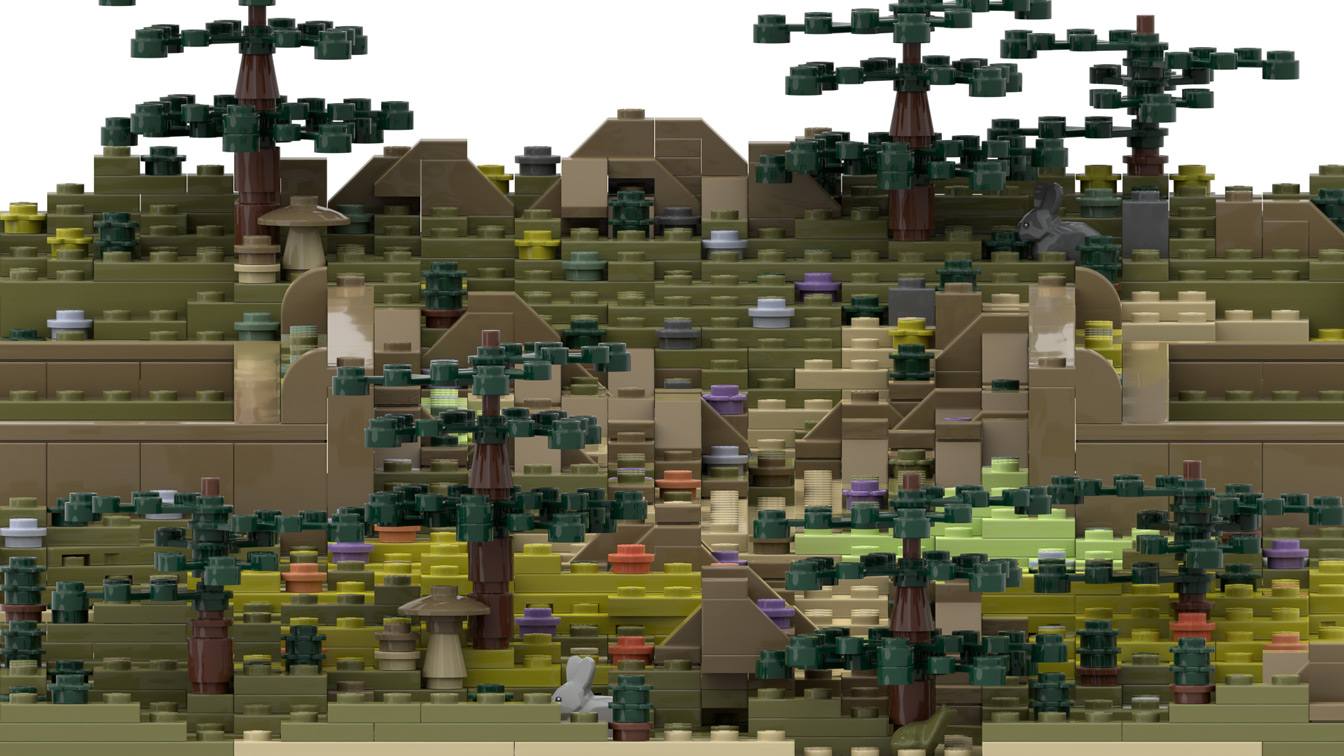
Created in collaboration with LEGO artist Martin Egemo, also known as TMX Brick Notes, the model reinterprets the Wildlife Crossing at miniature scale. Landscape, infrastructure, vegetation, and carefully selected wildlife minifigures work together to communicate how the real crossing reconnects habitat divided by the 101 Freeway.

The project was developed by Rock while at Living Habitats as an entry for the 2023 LEGO Ideas® competition.

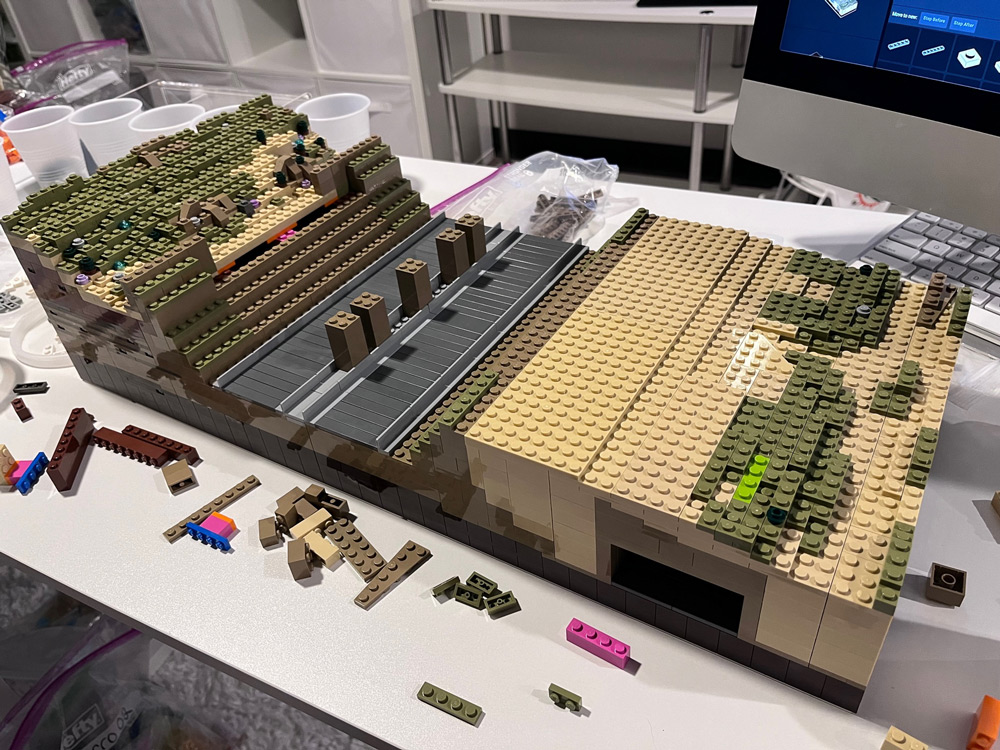
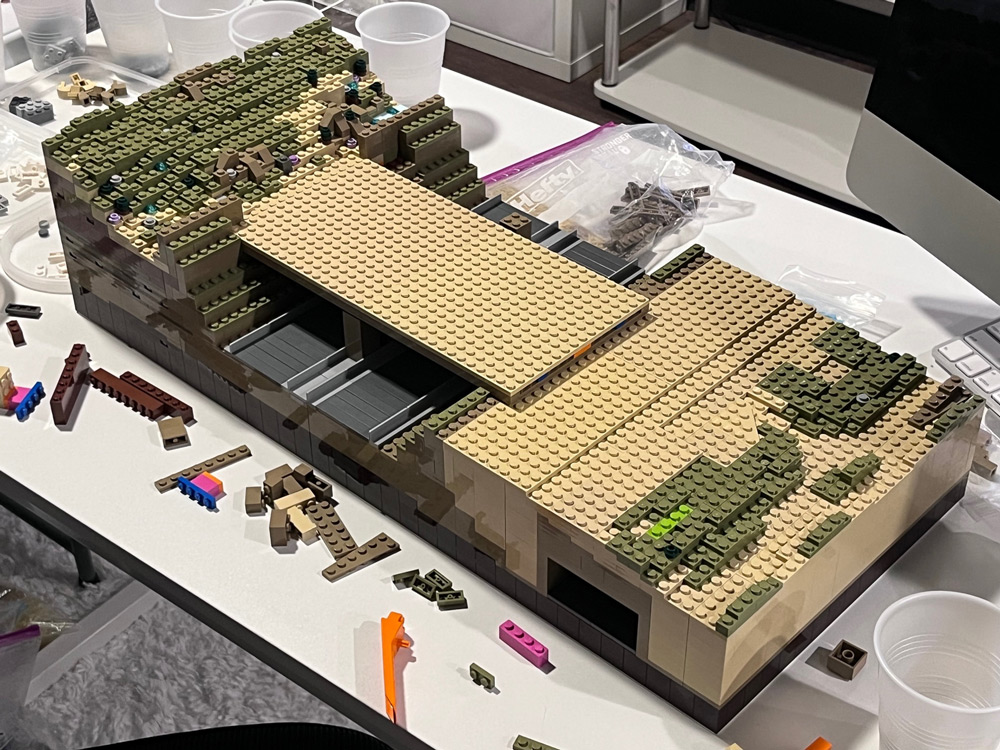
WAWC Lego build

By reducing an enormous piece of ecological infrastructure to something tactile and familiar, the model makes the underlying idea easier to grasp: landscapes can be reconnected, and infrastructure can be designed for more than one species.

Although the competition has concluded, the project remains an example of how design communication can become part of the design process itself—using curiosity, creativity, and play to build understanding around serious environmental challenges.

Wallis Annenberg Wildlife Crossing Lego complete

Storytelling through play

What works particularly well about the LEGO model is its ability to make complex ideas accessible without requiring technical expertise. Wildlife connectivity becomes visible at a glance, giving people a new way to see and understand how animals encounter roads, landscapes, and human infrastructure. For RDA, the project demonstrates how advocacy and communication can take many forms—and how a playful, unexpected approach can sometimes make a complicated environmental issue easier to understand.
A closer look

Want an even more in depth look at our approach to this project and its various stages of development? View the full design story behind the Wallis Annenberg Wildlife Crossing project.

Our work spans landscapes of every scale.

From regional ecological infrastructure to parks, campuses, and public spaces, every project begins with the same commitment to understanding place and designing for lasting impact.

Stay connected.

Have a project in mind or a place that deserves thoughtful attention? We’d welcome the opportunity to learn more and explore what’s possible.

Have a project in mind?

Do not hesitate to say