
Bird Friendly Plants of the Chicago Region

Turning ecological relationships into an accessible visual tool

Chicago, Illinois

Work performed by Robert Rock during his tenure at Living Habitats.
Plant selection can have an enormous effect on the wildlife a landscape supports, but the relationship between individual plants and individual species can quickly become difficult to communicate. Environmental communication works best when people can quickly understand how an idea relates to the choices they make. The challenge was to turn those ecological relationships into something clear, practical, and easy to use.

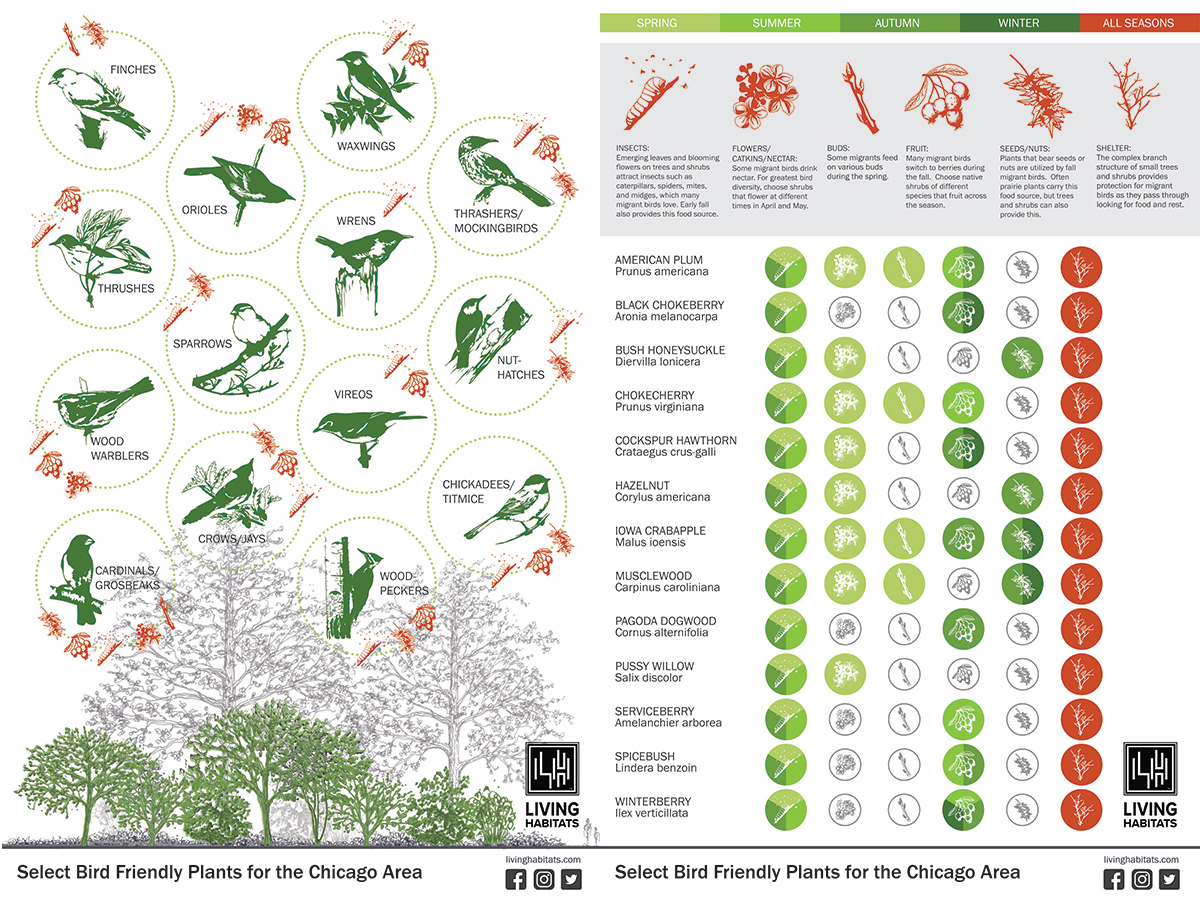
The graphic pairs several bird species found in the Chicago region with plants that can provide habitat and resources for them, organizing information around six plant characteristics important to the relationship between flora and fauna.

Originally developed to support dialogue with a local community group, the piece translates technical ecological information into an accessible visual reference—helping people connect planting choices with real habitat value.

Bird-friendly plant for the Chicago area

What began as a tool for one conversation proved useful well beyond its original setting. The graphic has since been incorporated into additional meetings and presentations as a way to explain the importance of habitat-supportive planting.

For RDA, this kind of work belongs alongside built projects because thoughtful design is not limited to physical landscapes. Clear communication can help communities better understand those landscapes and participate more meaningfully in decisions about them.

Bird-friendly plant for the Chicago area

A landscape reconnected

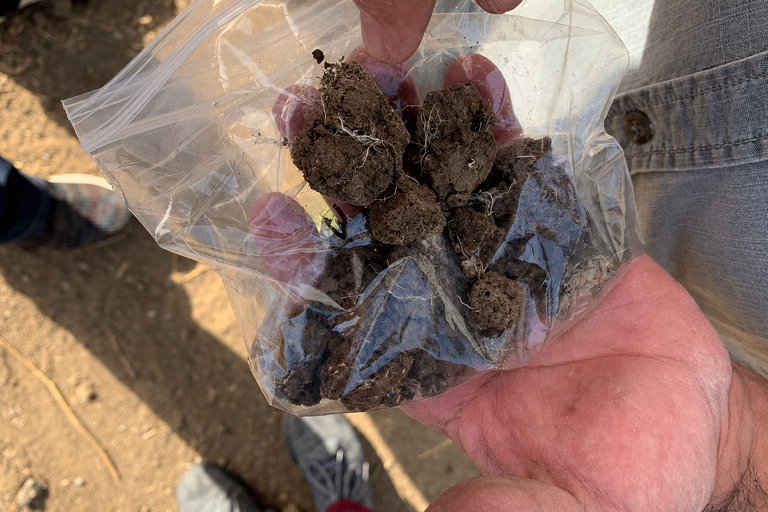
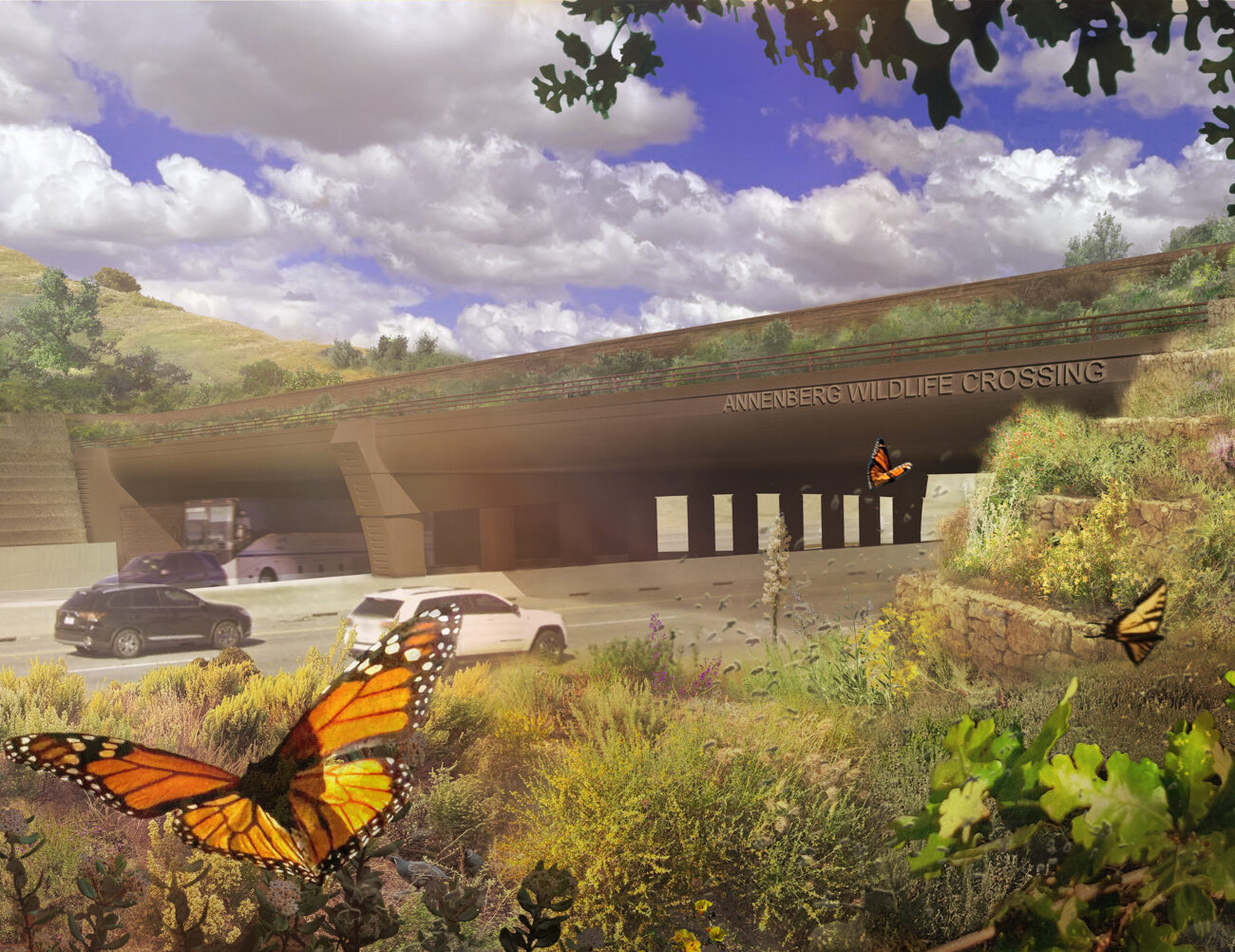
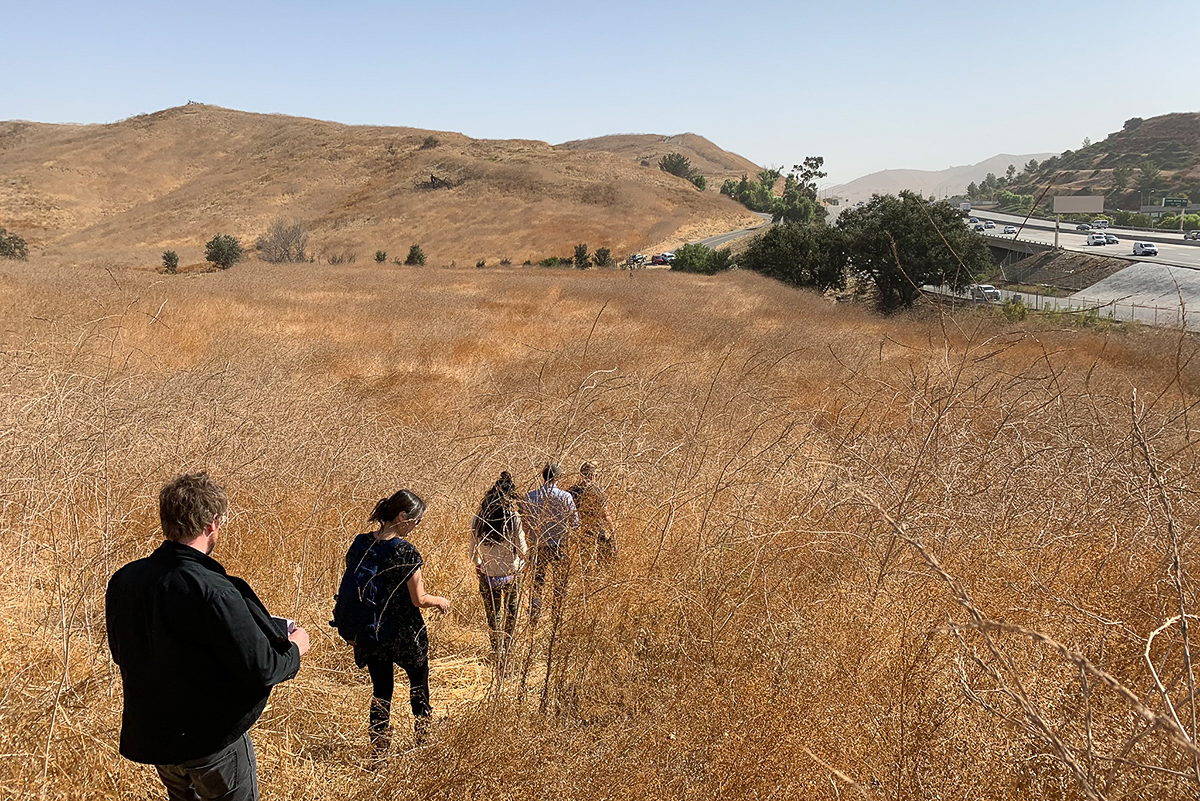
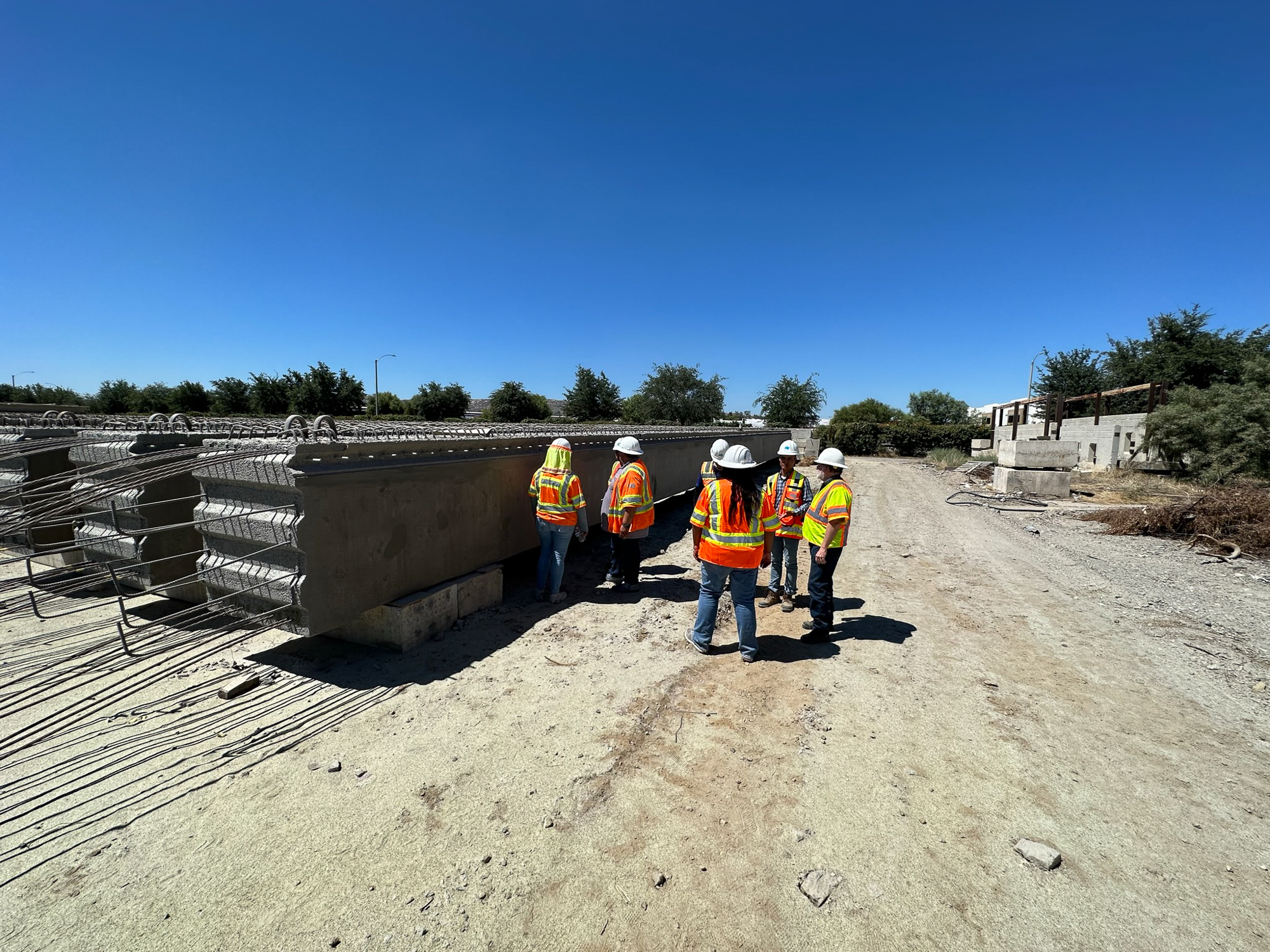
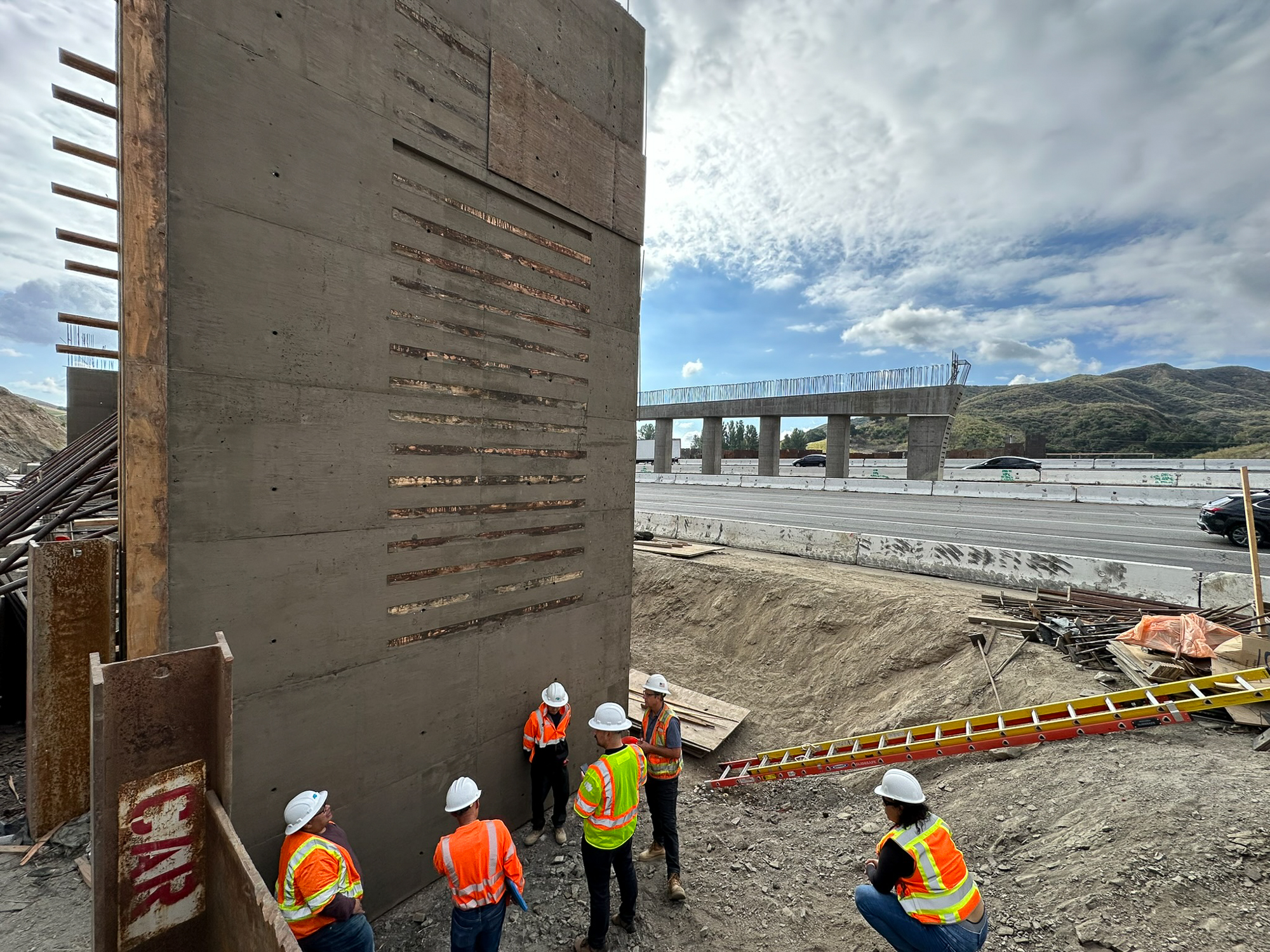
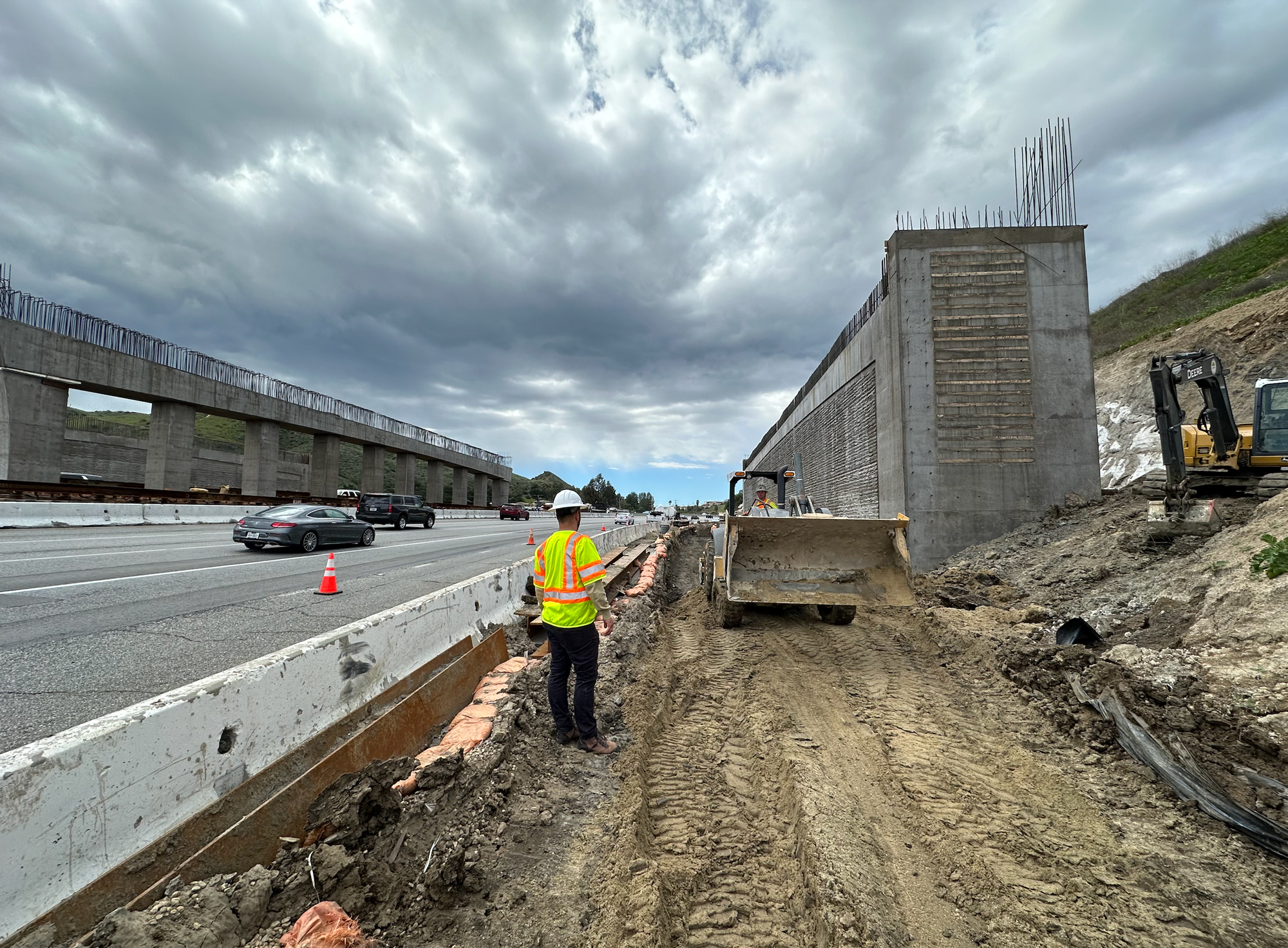
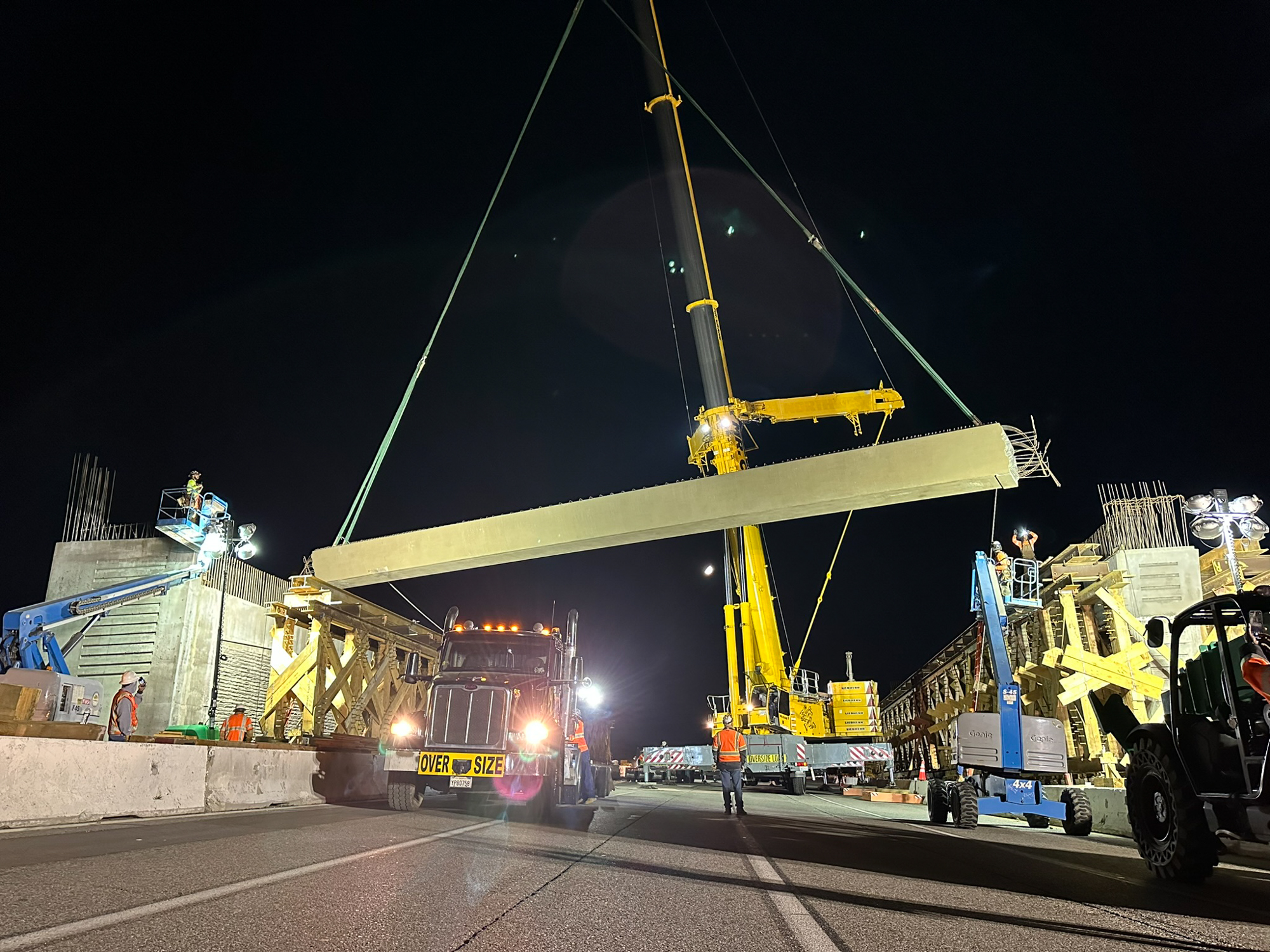
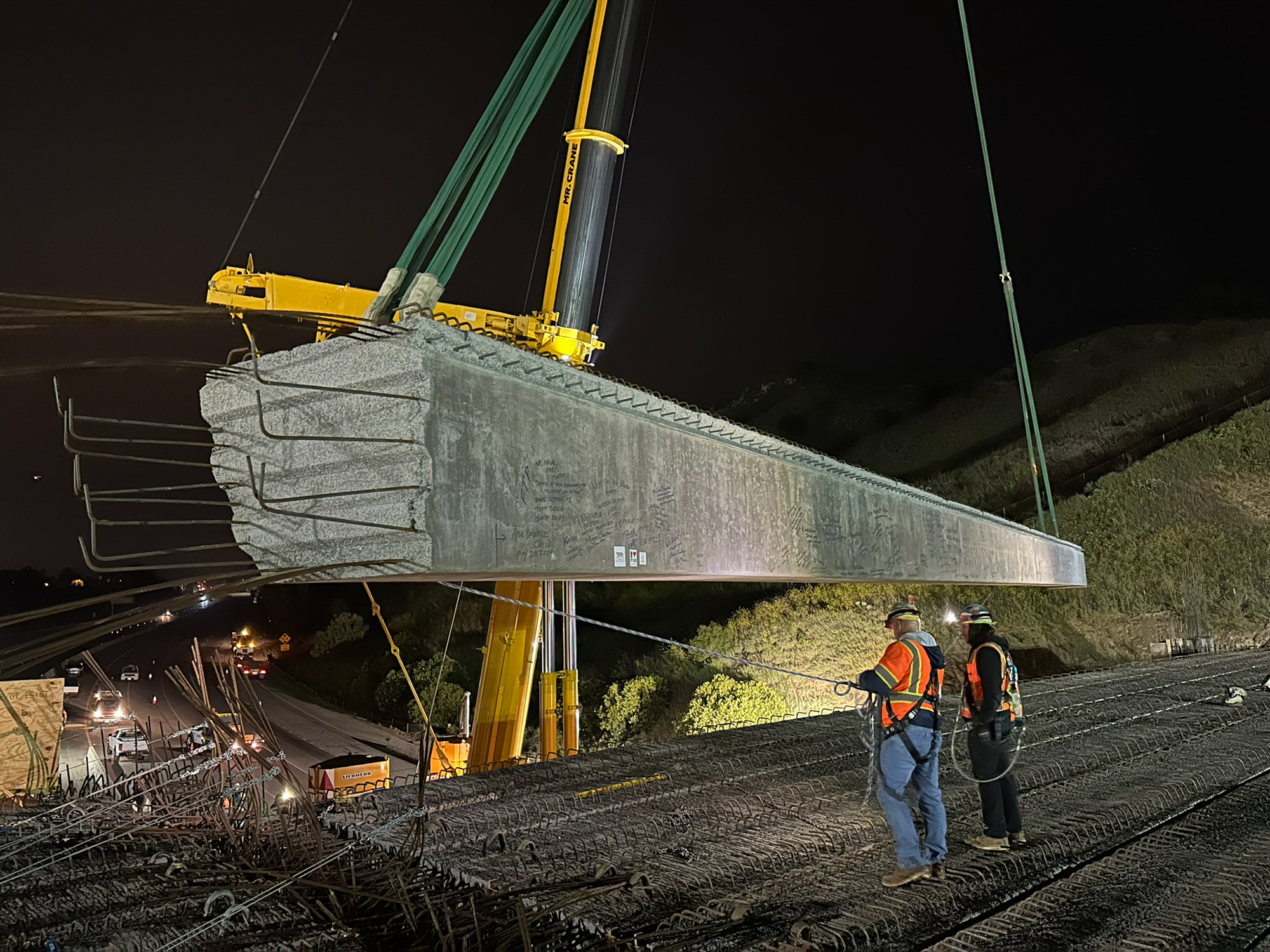
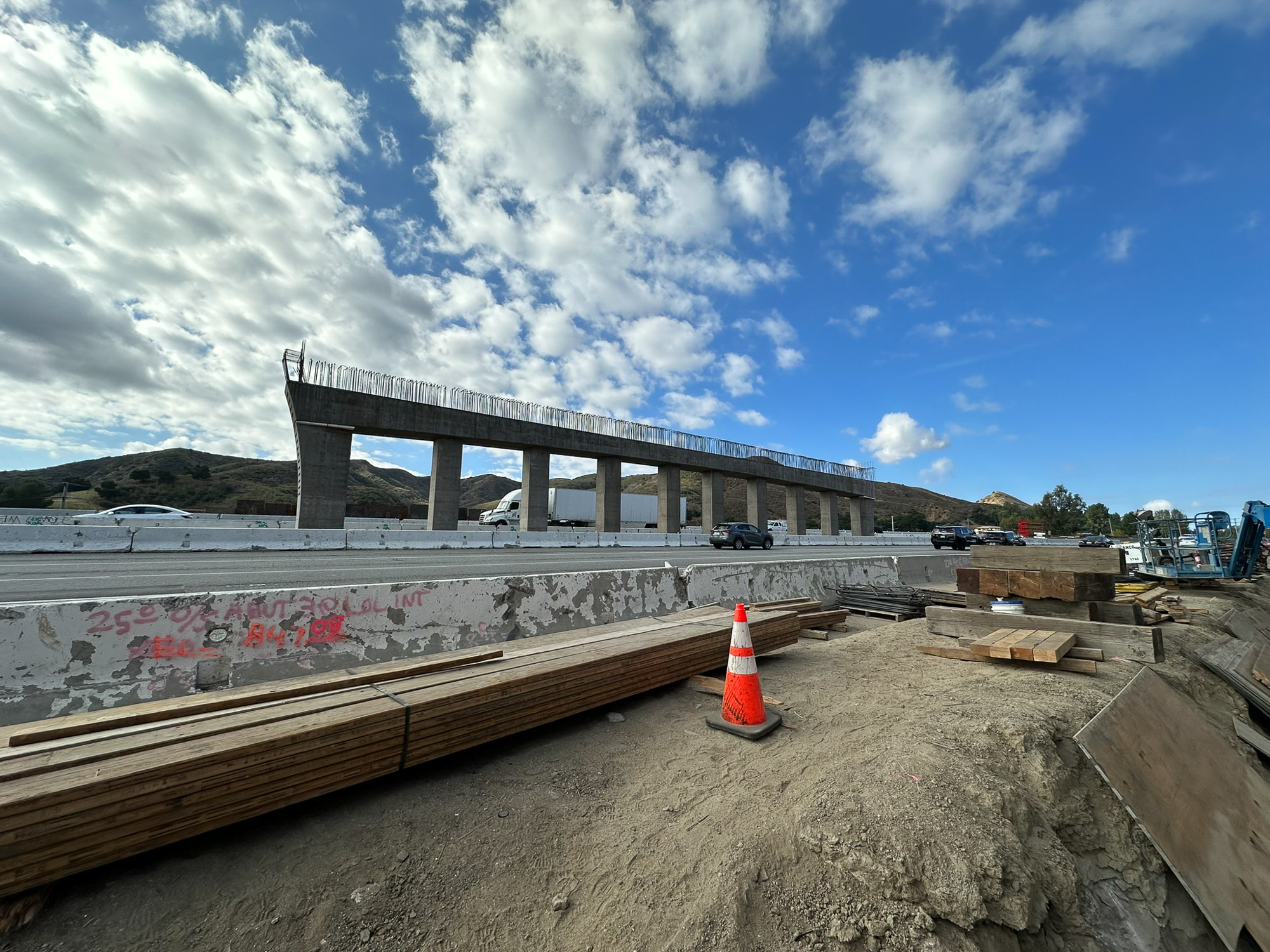
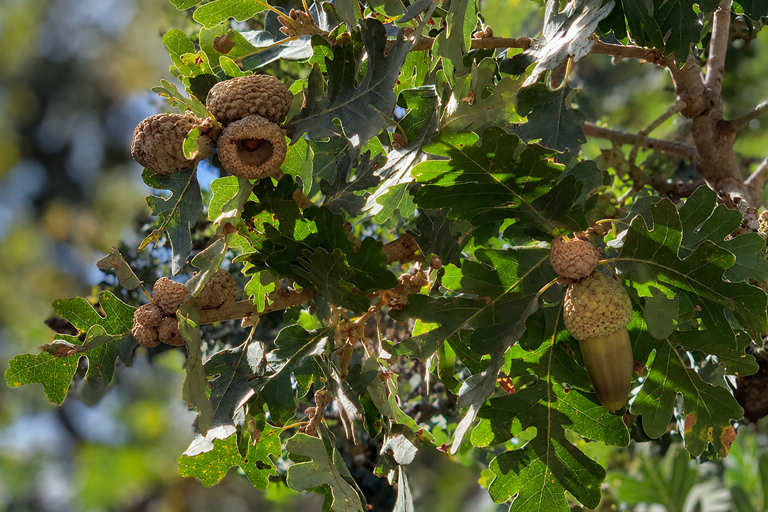
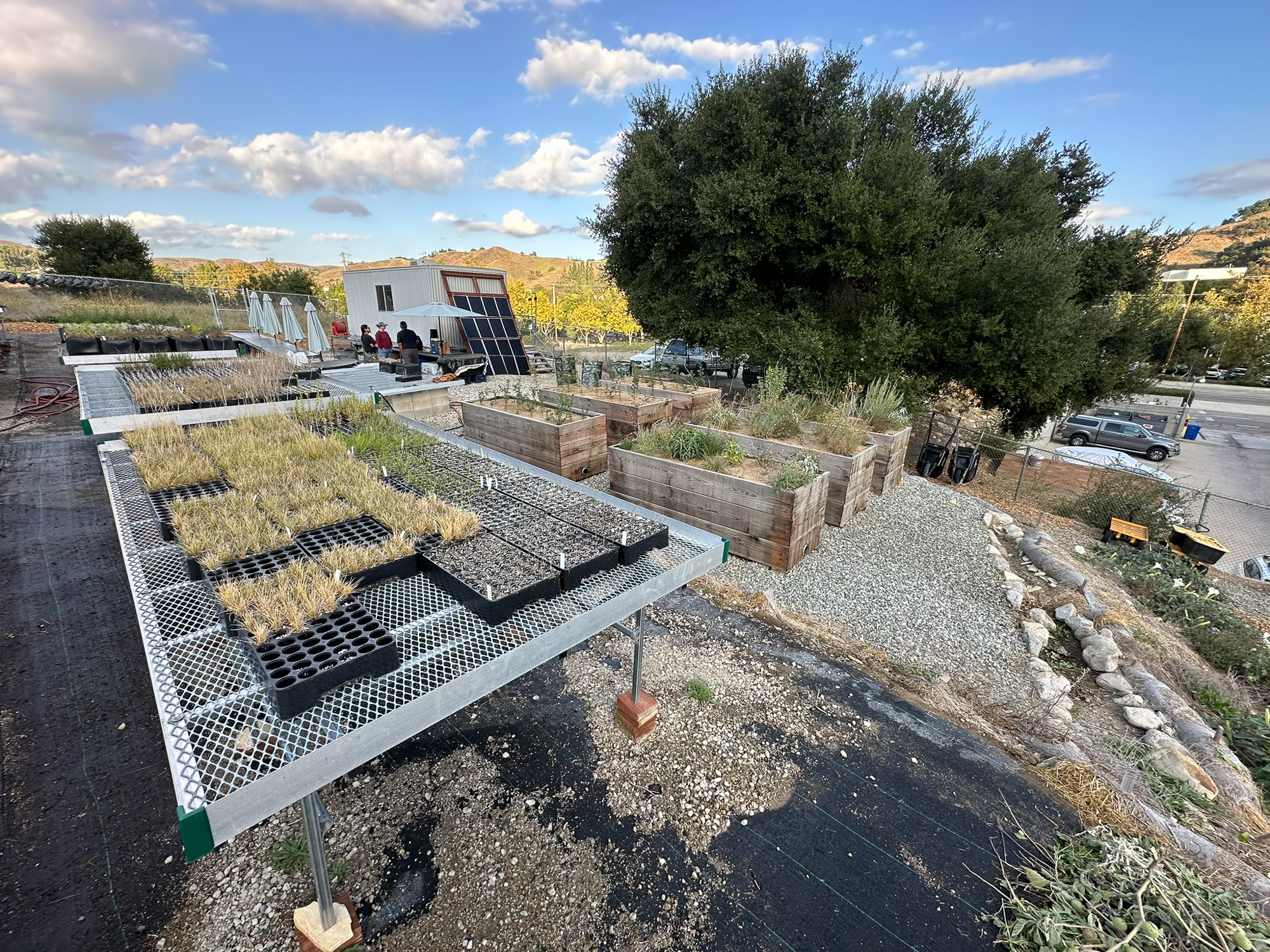
The Wallis Annenberg Wildlife Crossing is designed not simply as a bridge, but as an extension of the Santa Monica Mountains themselves. Native soils, carefully selected plant communities, natural screening, and varied terrain work together to create habitat that feels continuous rather than constructed.

Every element supports movement across the freeway while reducing the sights, sounds, and disturbance of traffic below. The result is living infrastructure shaped by ecology—creating a safer passage for wildlife and restoring a connection that the landscape has been missing for generations.
More than a crossing

The Wallis Annenberg Wildlife Crossing represents what becomes possible when science, design, engineering, advocacy, and public support move toward a shared goal. It restores a vital connection across one of Southern California’s most significant barriers while creating a model for how infrastructure can respond more thoughtfully to the natural systems around it.

For Rock Design Associates, the project reflects a long-term commitment to collaboration, ecological understanding, and design that serves both people and place. More than a passage over a freeway, the crossing is a lasting investment in the resilience of the Santa Monica Mountains and the wildlife communities that depend on them.

A closer look

Want an even more in depth look at our approach to this project and its various stages of development? View the full design story behind the Wallis Annenberg Wildlife Crossing project.

Our work spans landscapes of every scale.

From regional ecological infrastructure to parks, campuses, and public spaces, every project begins with the same commitment to understanding place and designing for lasting impact.

Stay connected.

Have a project in mind or a place that deserves thoughtful attention? We’d welcome the opportunity to learn more and explore what’s possible.

Have a project in mind?

Do not hesitate to say